Showing posts with label produce safety. Show all posts

Monday, January 31, 2022

Changes proposed for the ag water requirements of the Produce Safety Rule – join us to learn what they mean

Connie Fisk
WSDA Produce Safety Program 

The U.S. Food and Drug Administration (FDA) has proposed significant changes to Subpart E of the Food Safety Modernization Act (FSMA) Produce Safety Rule, amending the requirements for pre-harvest agricultural water.

To help growers understand the FDA proposal, WSDA has joined with the National Association of State Departments of Agriculture (NASDA) to host a webinar where FDA will give an overview of the proposed rule change, followed by a question and answer session.

Webinar information:
There is no need to register ahead of time to join the meeting, which will be recorded and available for later viewing.

The FSMA Produce Safety Rule 

The Produce Safety Rule, first adopted in 2015, is one of the seven rules that make up FMSA. The rule focuses primarily on reducing microbial food safety risks during the growing, harvesting, packing, and holding of produce (including fruits, vegetables, mushrooms, nuts, and herbs) for human consumption and was the first mandatory federal standard for produce production in the United States. Previously, the produce industry was encouraged to follow voluntary guidance.

The Produce Safety Rule has multiple subparts; Subpart E details the requirements for agricultural water and the proposed rule released for public comment December 6, 2021 makes significant changes to those requirements.

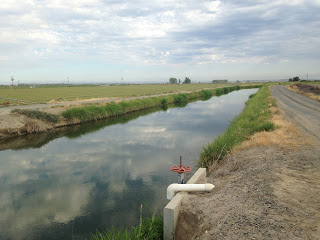
More than half of the Washington produce farms covered by the FSMA Produce Safety Rule use surface water for pre-harvest agricultural water uses, including irrigation. However, many farms use multiple water sources including surface, ground, and municipal water. 

The proposed agricultural water rule 

The proposed rule, if finalized, would replace the requirement to test pre-harvest water for generic E. coli with a new requirement to perform an annual written systems-based agricultural water assessment to identify any condition reasonably likely to introduce known or reasonably foreseeable hazards into or onto covered produce or food contact surfaces. Then, the assessment would help determine whether any corrective or mitigation measures are needed.
To review the proposal in more detail, visit the FSMA Proposed Rule on Agricultural Water webpage, also available in Spanish

The FDA has also prepared an Agricultural Water Proposed Rule fact sheet to explain the proposed changes.

How to comment on the proposed rule

The FDA is currently accepting comments on the proposed rule until April 5, 2022. Visit Regulations.gov and enter docket number FDA-2021-N-0471 in the search box to bring up the proposed rule and click on the ‘comment’ button.  

Visit agr.wa.gov/ProduceSafety for more details about joining the webinar or email cfisk@agr.wa.gov to reach Connie Fisk, manager of the WSDA Produce Safety Program.

Friday, February 9, 2018

Food safety starts on the farm

Karla Salp
Communications

Each participant receives a binder packed with information
In 2011, the Food Safety Modernization Act (FSMA) was passed into law as the first major food safety reform in over 70 years. With the passage of FSMA came new requirements for farmers, most notably pertaining to the safe growing and postharvest handling of produce.

Less known is the fact that any farm with more than $500,000 in annual sales is required to send at least one employee to mandated grower training on produce safety. In Washington, this amounts to about 2,000 farms required to take the training. Many more farms may also elect to take the training to improve their food safety knowledge and practices.

WSDA’s new Produce Safety Program is collaborating with Washington State University and the Produce Safety Alliance to put on trainings that meet the FSMA requirement. These day-long trainings are being held at various locations throughout the state and new training dates continue to be added.

Here’s an overview of topics covered in the training:

  • An introduction to produce safety
  • Worker health, hygiene, and training
  • Working with soil amendments
  • Wildlife, domesticated animals, and land use
  • Agricultural water – production water and postharvest water
  • Developing a farm food safety plan

The training focuses on helping farmers understand food safety concerns that growers need to address on the farm. It does not tell farmers exactly what they must do, recognizing that each farming operation is unique. Instead, the training focuses on thinking through food safety concerns and enabling farms to develop their own food safety plans to address the unique challenges and opportunities on their own farms.

For many farms, the training provides a refresher and reinforces their existing food safety practices. “It’s just like GlobalGAP*,” one farmer said during the training. But whoever attends the trainings will likely come away with new ideas on improving food safety on their farms, as well as a better understanding of current regulation.

Several trainings are still available to attend before farming season begins in earnest:
  • Feb. 15 – Vancouver
  • March 6 – Mount Vernon
  • March 6-7 – Mount Vernon (Train the trainer)
Visit our website to register for these and future trainings about produce safety. You can also email the WSDA Produce Safety Program with questions or to request training in your area. Visit the Produce Safety Alliance website for more produce safety resources and to find trainings around the country.

*GlobalGAP, or Global Good Agricultural Practices, is a voluntary certification program focused on ensuring a safe and sustainable global food supply.