Showing posts with label food safety. Show all posts

Monday, January 31, 2022

Changes proposed for the ag water requirements of the Produce Safety Rule – join us to learn what they mean

Connie Fisk
WSDA Produce Safety Program 

The U.S. Food and Drug Administration (FDA) has proposed significant changes to Subpart E of the Food Safety Modernization Act (FSMA) Produce Safety Rule, amending the requirements for pre-harvest agricultural water.

To help growers understand the FDA proposal, WSDA has joined with the National Association of State Departments of Agriculture (NASDA) to host a webinar where FDA will give an overview of the proposed rule change, followed by a question and answer session.

Webinar information:
There is no need to register ahead of time to join the meeting, which will be recorded and available for later viewing.

The FSMA Produce Safety Rule 

The Produce Safety Rule, first adopted in 2015, is one of the seven rules that make up FMSA. The rule focuses primarily on reducing microbial food safety risks during the growing, harvesting, packing, and holding of produce (including fruits, vegetables, mushrooms, nuts, and herbs) for human consumption and was the first mandatory federal standard for produce production in the United States. Previously, the produce industry was encouraged to follow voluntary guidance.

The Produce Safety Rule has multiple subparts; Subpart E details the requirements for agricultural water and the proposed rule released for public comment December 6, 2021 makes significant changes to those requirements.

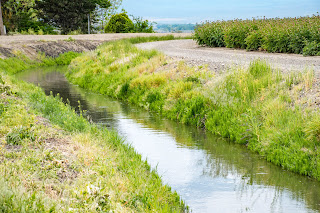
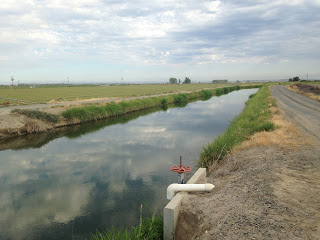
More than half of the Washington produce farms covered by the FSMA Produce Safety Rule use surface water for pre-harvest agricultural water uses, including irrigation. However, many farms use multiple water sources including surface, ground, and municipal water. 

The proposed agricultural water rule 

The proposed rule, if finalized, would replace the requirement to test pre-harvest water for generic E. coli with a new requirement to perform an annual written systems-based agricultural water assessment to identify any condition reasonably likely to introduce known or reasonably foreseeable hazards into or onto covered produce or food contact surfaces. Then, the assessment would help determine whether any corrective or mitigation measures are needed.
To review the proposal in more detail, visit the FSMA Proposed Rule on Agricultural Water webpage, also available in Spanish

The FDA has also prepared an Agricultural Water Proposed Rule fact sheet to explain the proposed changes.

How to comment on the proposed rule

The FDA is currently accepting comments on the proposed rule until April 5, 2022. Visit Regulations.gov and enter docket number FDA-2021-N-0471 in the search box to bring up the proposed rule and click on the ‘comment’ button.  

Visit agr.wa.gov/ProduceSafety for more details about joining the webinar or email cfisk@agr.wa.gov to reach Connie Fisk, manager of the WSDA Produce Safety Program.

Wednesday, July 17, 2019

A stimulating look at plant biostimulants

Eddie Simons
Pesticide Registration and Licensing

If you garden, farm, or endeavor to grow anything in the ground, you’ve become the target audience for a new product marketed under the vague, hyper-modern moniker “biostimulant.”

Biostimulants are used for all kinds of crops in hopes of
increasing yield, improving drought resistance, or repelling pests.
Biostimulants are generating so many claims and so much hype, regulators are racing to keep pace with how to evaluate and classify them. Although the products have been around for decades, they have just recently been recognized in the 2018 Farm Bill.

Even as biostimulants make the first steps towards widespread conventional use, the U.S. Department of Agriculture (USDA) and state agencies around the country haven’t agreed on where biostimulants fit in and how it should be regulated, though they seem to belong somewhere near fertilizers, pesticides, or soil amendments.

What is a biostimulant? 

According to the 2018 Farm Bill, a “plant biostimulant” is “…a substance or micro-organism that, when applied to seeds, plants, or the rhizosphere, stimulates natural processes to enhance or benefit nutrient uptake, nutrient efficiency, tolerance to abiotic stress, or crop quality and yield.” This includes a wide variety of materials, including

Plant extracts
Humic/fulvic acids
Proteins and amino acids (plant or animal origin)
Beneficial elements [Silicon (Si), Aluminum (Al)]
Beneficial bacteria
Beneficial fungi [mycorrhizae]

Why are people interested in using biostimulants in ag?

There is a renewed interest in biostimulants because of what they have the potential to do.  Some of the claimed benefits include

Improved plant and root growth
Improved nutrient use
Resistance to drought, insects, and diseases
Improved end use quality of the harvested crop

What plants are they made from?

The most common plant extract used in biostimulants is from kelp, but others include soy protein hydrolysate, willow bark extract, stinging nettle extract, Yucca extract, and aloe extract.
Kelp growing at a research facility on Puget Sound.


Are they a pesticide? If not, what’s the difference?

Some of these biostimulants meet the definition of a pesticide. For example, seaweed extract contains relatively high levels of phyto-hormones, which increase plant and root growth. This would fall under the pesticide category of “plant regulator” under the Federal Insecticide, Fungicide, and Rodenticide Act (FIFRA).

Other biostimulants stimulate a plant’s defense mechanisms allowing it to better defend against insect and or disease pressure. This is called Systemic Acquired Resistance (SAR) and is another form of pesticide.

Most biostimulants that work on nutrient functions are not pesticides. For example, soil applied humic acid can combine and amplify the availability of nutrients in the soil, allowing for easier uptake by the plant roots. Plus, mycorrhizae will extend throughout the soil, transporting nutrients to the plant roots.

Are there regulatory issues people should know about?

The term “biostimulant” seems to be a marketing term. Parts of the biostimulant industry are trying to separate biostimulants from the definition of a pesticide, but at this point it has not happened. The common definitions of pesticide, fertilizer, soil amendment are all related to primary functions and claims of the product.

Most biostimulants seem to focus on secondary functions and claims, for example, that the hormones will increase root growth, which will improve drought resistance. If the claim is drought resistance, producers tend to think it should not be regulated as a pesticide.

Does WSDA have recommendations about biostimulants?

WSDA does not currently regulate biostimulants differently than any other product.  If a biostimulant meets the definition of a pesticide, it will be regulated as a pesticide.

The Association of American Plant Food Control Officials (AAPFCO) recently sent a letter to the USDA with an opinion on biostimulants and their regulatory status. 

“Creating a single regulatory structure for all products marketed as biostimulants would create confusion with regulators, industry and consumers,” the letter stated. “Products should be regulated based on their intended function, not based on a broad marketing term.”

This letter was intended to help USDA write their report to Congress and the President as mandated by the 2018 Farm Bill.  This report will detail regulatory and non-regulatory options for oversight of biostimulant distribution.

WSDA continues to follow federal and Washington State laws related to pesticides and fertilizers, including biostimulants.  We regulate products based on their intended function, not a non-specific marketing term.  We will continue to follow the actions being taken at the federal level regarding biostimulant regulation.

What should I do?

When looking at new products, think about why you are applying them.  If the purpose is to control a pest or stimulate plant growth (beyond simple nutrition), check that the product is registered as a pesticide.  If the purpose is to supply nutrients to the plant, check that it is registered as a fertilizer.  Most of all, enjoy your time in the garden or with your plant.

Monday, December 3, 2018

Romaine returns: what you should know

Karla Salp
Communications

Romaine lettuce will soon be back on supermarket shelves.
Caesar salad lovers everywhere will soon be celebrating romaine lettuce’s return to local produce shelves. But with repeated recalls over the last several months, you may still have lingering concerns about buying romaine and other leafy greens. Here’s some food for thought.

What happened? 

Shortly before Thanksgiving, the Centers for Disease Control and Prevention (CDC) issued a food safety alert about romaine lettuce linked to a multi-state E. coli outbreak. The alert called on stores to remove all romaine lettuce from the shelves and warned the public against buying or eating any romaine.

Investigations subsequently identified the Central Coast growing regions of northern and central California as the likely source of romaine lettuce that sickened 43 people. At this point, no common grower, distributor, or brand has been identified.

This week, CDC lifted its food safety alert for all lettuce, except romaine grown in the Central Coast region of California, where the romaine harvest is already over for the year.

What about Washington lettuce? 

If you are sure you are buying Washington-grown romaine lettuce, you can purchase it knowing our state is not believed to be part of the outbreak.

Can I eat lettuce from other states?

Yes.

Romaine lettuce from the growing areas near Yuma, Arizona or Imperial County and Riverside County in California; the state of Florida; and Mexico is not linked to this outbreak.  Romaine that has been grown indoors has not been associated with the outbreak.

Romaine returning to the shelves should be labeled with a harvest location and date.

If you aren’t sure where the romaine lettuce was harvested, the CDC still recommends against eating it.

Is produce contamination only a problem on big farms? 

No.

Although consumers can become ill from food grown on large or small farms, there are many safeguards in place to help protect consumers. Federal regulations require large farms to adopt practices that prevent the spread of foodborne illness – particularly in foods that are consumed raw, like lettuce. While farms defined as “very small” are not required to comply with these regulations, many take training and employ food safety practices anyway.

What is WSDA doing to keep Washington produce safe to eat?

In 2016, WSDA started a new Produce Safety Program to focus on providing training and education in partnership with Washington State University about how to improve produce safety on farms as well as comply with federal regulations. Here are upcoming trainings in Washington:
Yakima – 12/6 (FULL)
Tacoma – 1/29/19
Anacortes – 2/19/2019
Richland – 3/6/19

WSDA also offers a free, educational farm visits, called On-Farm Readiness Reviews, to help farms prepare for compliance with produce safety inspections that will begin next year.

What can I do improve the safety of the raw vegetables I eat? 

Here are tips from the CDC to reduce your risk from eating raw fruits and vegetables:

Wash your hands, kitchen utensils, and food preparation surfaces, including chopping boards and countertops, before and after preparing fruits and vegetables.
Clean fruits and vegetables before eating, cutting, or cooking, unless the package says the contents have been washed.
Keep fruits and vegetables separate from raw foods from animals, such as meat, poultry, and seafood.
Refrigerate fruits and vegetables you have cut, peeled, or cooked within 2 hours.
It is important to remember that eating produce provides many health benefits. Growers, processors, and the government take food safety seriously. You can help by taking simple steps like properly cooking and washing your produce to further reduce even the minimal risk that fresh produce presents.

Wednesday, November 14, 2018

Regulating marijuana infused edibles like food

Chris McGann
WSDA Communications


The THC infused caramel center for a
Wave Edibles chocolate turtle.
A marijuana-laced munchable might calm your nerves, help you sleep or ease your pain; it might even get you high, but it shouldn’t make you sick.

That’s the rationale guiding Washington State Department of Agriculture's Food Safety program marijuana infused edible (MIE) facility inspections.

WSDA has conducted MIE facility inspections since 2013 under Washington State Liquor and Cannabis Board (WSLCB) authority. But this year the agency took charge of food safety regulation for the pot industry, including the power to carry out enforcement and recalls.

WSDA Food Safety Inspectors Keren LaCourse and Jeff Freshly
observe operations at Db3 marijuana processing facility.   
A lot like food

At a recent inspection of Db3, a high tech marijuana extraction and production facility in South Seattle, WSDA NW Regional Food Safety Manager Keren LaCourse explained the criteria with Db3 co-founder Michael Devlin.

“It’s just like a food inspection, but it’s edibles,” said LaCourse. “We look at some of the same criteria that we could look for in a food processing establishment.”

WSDA evaluates things such as proper hygiene, sanitation, pest control, materials storage, and allergenic cross contact to name just a few items listed on a 53-point checklist.

Welcome news to some processors

Devlin said he was pleased to know that WSDA now has its own regulatory authority over marijuana infused edibles and that it will be more involved with the edible companies.

Db3 co-founder Michael Devlin and Operations Manager Lindsay
Short explain their THC extraction process and food handling
 practices during a WSDA facility inspection.  
He said it makes sense to hold marijuana infused edible producers to the same standards as food processors, with the same accountability.

A new view

When voters legalized it in 2012, Washington State’s main goals for marijuana regulation involved tax collection, preventing misuse and product safety. 

As such, tax regulation for marijuana fell to the Washington State Department of Revenue while marijuana production, processing and retail sale regulations became the purview of the WSLCB.

But it wasn’t long before regulators and producers recognized the importance of covering marijuana infused edibles the same as traditional foods where WSDA has full authority over food safety.

If it's edible, food safety matters

A single 10 mg "dose" of cannabis oil. Db3
uses a proprietary process to extract oil used
to infuse goodies like brownies with THC.
There is only a miniscule difference – a 10 mg dose of a difference to be exact – between a brownie and a brownie-shaped marijuana infused edible. Of course, that little dose can really change how that brownie might make you feel. But you could be in for another kind of experience if the rest of the ingredients, the flour, butter and eggs for example, are mishandled, contaminated or mislabeled. Call that feeling salmonella poisoning to name one common pathogen.

Delvin said Db3 was the first licensed edible company in the state. The firm makes Zoots Premium Cannabis Infusions products such as ZootBites Caramel Espresso Brownies. He said he supported the state's efforts to come up with stronger food safety requirements for the industry.

The irony

An engineer by training, Devlin has more than 30 years in the food processing field. He admits his embrace of new regulations is ironic.

“When I was working in food processing, I always believed that we were overregulated,” he said. “But when we started with edibles, it was obvious we needed the same rules as the other food producers.”

Devlin said his opinion changed because of the nature of the new cannabis industry where there may be some incentive to focus on the THC and neglect quality control for the edible in which it is delivered. If edibles producers compete at that level, they may be taking shortcuts that could increase the risk of making consumers sick, he said.

Protecting the public and the industry

Crafting delicious chocolates has always been a vocation for
 Wave Edibles Chocolatier Nola Wyse. But now she's using her
 skill set to create treats that include a perfectly balanced infusion
 of marijuana extract. 
His desire to enhance food safety regulations in the cannabis industry came partly out of what he described as a moral obligation to protect public health, and also economic concerns.

“If someone gets sick from an edible, people aren’t going to say it was salmonella, the story is going to be that someone got sick from a marijuana product,” Delvin said.

A perception that infused products are unsafe would hurt everyone, he said.

“We are founding participants in a new industry, that’s a responsibility and we don’t take that responsibility lightly,” he said. “We want the industry to be more concerned about food safety. We need to do it right.”

Edible endorsement

About 75 firms with WSLCB Marijuana Processor licenses have purchased the WSDA $895 MIE Endorsement required for making marijuana edibles in Washington state. WSDA inspects facilities within the 12 months of the endorsement purchase.

It is not legal to add MIE products under a Food Processor license, process MIE products at a facility that processes non-marijuana food products or process non-marijuana food products at a facility that produces MIE products.

For more information about food safety and marijuana infused edibles, visit WSDA's Marijuana Infused Edible Inspections page.

###

Thursday, June 28, 2018

Animal feed inspection fee audits explained

Liz Beckman
Animal Feed Program


To protect the health of animals and humans, WSDA’s Animal Feed Program regulates commercial animal feed for household pets, as well as farm livestock and poultry. 

Those who make or distribute – or are listed on the label as responsible for – animal feed in Washington state must be licensed or registered and pay fees. Inspection fees pay for agency services that help the industry comply with state and federal laws, and ensure that animal food is safe. 

We also provide auditing services to our customers. Audits maintain a level playing field for the industry, ensuring that businesses are paying the correct amount of fees – no more, no less. Audits also open a dialog between the department and fee-payers, so we can provide education and technical assistance. 

If you are one of the approximately 240 animal feed registrants or licensees in the state, and we identify your company for an audit, don’t panic. We aim to make the process as efficient, collaborative and transparent as possible. 

Note that we may ask licensees or registrants located outside the state for a desk audit and have you send information to us. 

Steps in the audit process 

First, we will contact your business and schedule the audit. Next we have a conversation to discuss your company’s business and accounting system. This helps determine which records we will need to review. 
Animal feed storage facility.

From the start, and throughout the audit process, we welcome questions. We want to create a mutually beneficial learning experience. 

Records review

We will ask you to make available production records, unique software reports (electronic or hard copy), sales invoices, scale tickets, bills of lading and receipts for the period being audited. 

Based on our initial conversation, we may request other documents used for verification. Some information may not be reviewed in detail because it has little or no effect on inspection fees.

Note that records detailing tonnage of commercial feed distributed within Washington state are not considered public information and therefore, will be kept private.  

After the review

The auditor will ask you to clarify any inconsistencies in a closing conference. 

You’ll receive a preliminary report shortly afterward. Be sure to review this report carefully and ask if any information is unclear. This is your opportunity to make corrections and provide additional documentation if necessary. 

If the preliminary report is revised, we’ll share it with you again. 

If we find that your business is in full compliance, we will send a final audit report within about three weeks.

If the audit reveals inconsistencies with payment of your inspection fees, the final report will include an invoice with a detailed breakdown of fees that you either owe or overpaid. 

If you owe WSDA inspection and late fees, these are due within 30 days of receiving the audit report and invoice. State law authorizes the department to collect this debt. 

If the audit report shows that you have overpaid fees, the department will refund the identified amount and mail you a check. 

Audit follow-up

If you disagree with the results of your audit report, you have the right to an appeal. We must receive your written request for an appeal within 30 days of the final report date. 

Following the audit process, we will send you a survey asking how the process was for you. Results will be kept confidential, so please be candid. We use feedback from these surveys to identify areas we need to improve and ones that are successful. 

Please contact me at lbeckman@agr.wa.gov or by phone at 360-902-1942 if you have questions about this process.

Friday, February 9, 2018

Food safety starts on the farm

Karla Salp
Communications

Each participant receives a binder packed with information
In 2011, the Food Safety Modernization Act (FSMA) was passed into law as the first major food safety reform in over 70 years. With the passage of FSMA came new requirements for farmers, most notably pertaining to the safe growing and postharvest handling of produce.

Less known is the fact that any farm with more than $500,000 in annual sales is required to send at least one employee to mandated grower training on produce safety. In Washington, this amounts to about 2,000 farms required to take the training. Many more farms may also elect to take the training to improve their food safety knowledge and practices.

WSDA’s new Produce Safety Program is collaborating with Washington State University and the Produce Safety Alliance to put on trainings that meet the FSMA requirement. These day-long trainings are being held at various locations throughout the state and new training dates continue to be added.

Here’s an overview of topics covered in the training:

  • An introduction to produce safety
  • Worker health, hygiene, and training
  • Working with soil amendments
  • Wildlife, domesticated animals, and land use
  • Agricultural water – production water and postharvest water
  • Developing a farm food safety plan

The training focuses on helping farmers understand food safety concerns that growers need to address on the farm. It does not tell farmers exactly what they must do, recognizing that each farming operation is unique. Instead, the training focuses on thinking through food safety concerns and enabling farms to develop their own food safety plans to address the unique challenges and opportunities on their own farms.

For many farms, the training provides a refresher and reinforces their existing food safety practices. “It’s just like GlobalGAP*,” one farmer said during the training. But whoever attends the trainings will likely come away with new ideas on improving food safety on their farms, as well as a better understanding of current regulation.

Several trainings are still available to attend before farming season begins in earnest:
  • Feb. 15 – Vancouver
  • March 6 – Mount Vernon
  • March 6-7 – Mount Vernon (Train the trainer)
Visit our website to register for these and future trainings about produce safety. You can also email the WSDA Produce Safety Program with questions or to request training in your area. Visit the Produce Safety Alliance website for more produce safety resources and to find trainings around the country.

*GlobalGAP, or Global Good Agricultural Practices, is a voluntary certification program focused on ensuring a safe and sustainable global food supply.

Wednesday, October 26, 2016

WSDA official to speak at annual Pacific NW food safety workshop

Susie Bautista
Food Safety & Consumer Services

Federal, state, university and food industry members are gathering to discuss safe food processing and safe on-farm produce operations next month in Portland at the annual Pacific Northwest Food Safety and Sanitation Workshop Nov. 8-9.

Several employees from WSDA’s Food Safety and Consumer Services Division will be joining the conference as part of the agency’s on-going efforts at promoting food safety. Among the WSDA officials attending will be Claudia Coles, the division’s policy and external affairs manager. Claudia is a well-established training specialist and will share her insights on the federal Food Safety Modernization Act (FSMA). Claudia will also discuss ways to support effective food safety and sanitation processes to minimize the risk of foodborne illnesses.
Milk bottle line

Miriam Burbach of the Food and Drug Administration’s Seattle District Office, will discuss implementation of the new FSMA rules.

The conference typically draws people in the food processing and food safety industries, such as food and animal feed processors, service providers to the food industries, food retailers, sanitation suppliers, consultants and regulators.  

The FDA, Northwest university extensions, WSDA, Oregon Department of Agriculture and the Northwest Food Processors Association work together to put on this annual event.

Agenda items for the conference include:
  • The basics of microbiology with a focus on Listeria monocytogenes
  • Choosing effective sanitizers and hand hygiene practices
  • Pest Control
  • Implementation of FSMA
  • Whole Genome Sequencing
  • Good Manufacturing Practices
  • Irrigation Water testing

WSDA will host an informational booth where attendees will be able to find information on multiple food safety topics. If you can’t make it to the conference, but are still seeking food safety information, or updates on courses and workshops, visit the Washington State Food Protection Task Force website.


Wednesday, July 27, 2016

Safeguarding food and animal feed one of WSDA's key duties

Randy Treadwell and Ali Kashani
Animal Feed /Rapid Response Team

Protecting Washington’s food and animal feed supplies is one of the most important responsibilities of our agency. With human and animal food systems becoming more globalized, public health jurisdictions value partnerships, collaboration and sharing resources to protect consumers.

We represented our state’s animal feed regulatory program and our Washington Rapid Response Team at last month’s annual meeting of the Association of Food and Drug Officials (AFDO) in Pittsburgh. Often called Washington RRT for short, our team is composed of animal feed and food safety professionals.

With our peers, we discussed ways to minimize the number of illness outbreaks related to food and feed products. Speakers from the U.S. Food & Drug Administration and U.S. Department of Agriculture played a big role at the conference, updating us about federal efforts to strengthen consumer protections.

Food Safety Modernization Act

Hot topics included the Food Safety Modernization Act (FSMA), multi-agency rapid responses to food and feed emergencies, and disease-preventive controls for human and animal food.  Representatives from the food industry provided their perspectives on new food and feed regulations and the steps they are taking to comply with federal implementation dates under FSMA.

The conference dealt with a host of topics including Whole Genome Sequencing, trends related to marijuana-infused products, avian influenza and produce safety. Of particular note was discussion related to a nationally standardized training curriculum for food and feed regulators, a venture lead by the International Food Protection Training Institute in collaboration with federal and state partners.

AFDO workshops included writing documents under pressure, communicating with the news media during foodborne illness incidents and a leadership development workshop. Many of the presentations are available on the AFDO website.

The world of food and animal feed regulation continues to evolve as products become more complex and are distributed to a wider consumer network. Implementation of new regulations such as FSMA will be a considerable undertaking. Regulatory and food industry partners are taking an active part in shaping a modern integrated food and feed safety system.

We believe that outreach to the food industry and other regulatory bodies, getting to know our partners, and sharing information on best practices will help prevent outbreaks and improve response our time in emergencies.

Monday, November 2, 2015

Safe pesticide use, growing safe foods stressed in new WSDA contracts

Mike Louisell
Communications Office

A federal contract to train more farm laborers to safely apply pesticides and another project aimed to improve good agricultural practices at farms growing specialty crops were awarded to WSDA recently.

The U.S. Department of Agriculture (USDA) awarded the two projects as part of its annual specialty crop block grant efforts to support primarily fruit and vegetable growers.

Ofelio Borges, WSDA’s technical services and education program manager in Yakima,
Assessing air speed and direction of pesticides with an airblast sprayer
will direct a $240,000 grant to train workers to safely handle and apply pesticides. 


WSDA has long been recognized for its Farmworker Pesticide Education Program, but there always has been a waiting list to attend workshops. 

The USDA grant will allow us to increase the number of workshops for hands-on handler and sprayer application equipment best management practices. Course dates are generally available early each year. They fill quickly!

WSDA plans to hire another trainer and buy equipment, including an air-blast sprayer and trailer and a vertical patternator, which measures the distribution of pesticides. Applicators will learn how to manipulate wind speed/volume and direction and properly calibrate equipment to make sure pesticides fall on target.

The demand for training continues to grow. This contract is welcomed by a host of industry groups, including the Washington Growers League, the Washington State Tree Fruit Association and Washington Friends of Farms & Forests.

Questions: Contact Ofelio Borges at oborges@agr.wa.gov or (509) 249-6939.

Outreach efforts for producing safe foods
Tricia Kovacs, WSDA’s lead for Small Farm Direct Marketing and Farm to School efforts, is the project manager for a $249,000 USDA grant. Her team will launch Part II of the Bridging the GAPs project, designed to help fruit and vegetable growers understand and obtain voluntary certification for USDA Good Agricultural Practices on their farms. Many food buyers require GAP certification.

The funding extends the initial Bridging the GAPs project, also funded by a WSDA Specialty Crop Block Grant, that helped make food safety planning, implementation and certification more accessible. That grant resulted in the development of the Bridging the GAPs Farm Guide.

Now, over the next 2.5 years, WSDA will continue to conduct on-farm food safety workshops, provide technical assistance and act as a resource for food safety best practices and regulations, including information on FDA Produce Safety Rules.

WSDA workshop on Good Agricultural Practices
The project team will seek farmers who have been through a successful GAP audit and are willing to share their experience with others preparing for certification.

The new round of Bridging the GAPs workshop series started in late October at Viva Farms and Skagit Valley College in partnership with Washington State University extension offices. The event involved a farm food safety tour, live demonstrations, Q&A with WSDA auditor staff and technical assistance on how to write a food safety plan. The event received an extensive writeup by long-time agriculture and food safety writer Cookson Beecher in the Food Safety News.

Questions? Contact Karen Ullmann at kullmann@agr.wa.gov or 256-6151.