Showing posts with label Lily Leaf Beetle. Show all posts

Monday, June 17, 2019

Beetle Blitz Week: Have you seen this pest?

Chris Looney
Entomology Program

Pest detectives are needed this week as WSDA conducts a "Beetle Blitz" week June 17 - 23 to find and map the spread of a relatively new and highly destructive pest - the Lily Leaf Beetle.

If you see a lily - wherever you are - take a close look at it. You might find a lily leaf beetle in a garden, park, hiking area, or even landscaping throughout the community.

Local residents first discovered and have been critical in helping track the spread of this pest so far, and you can continue to help during this Beetle Blitz week.

Here's what to look for:

Adults


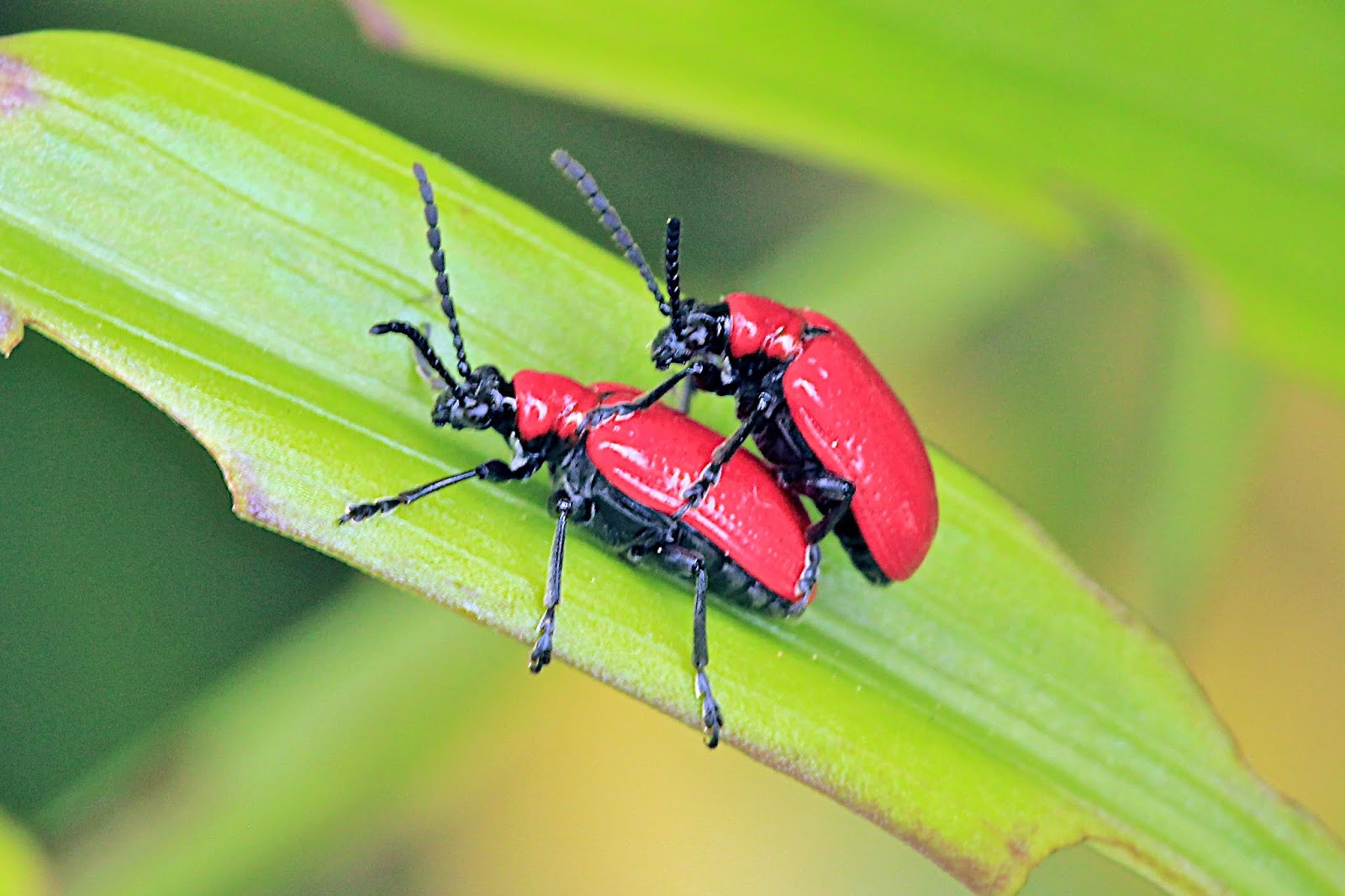
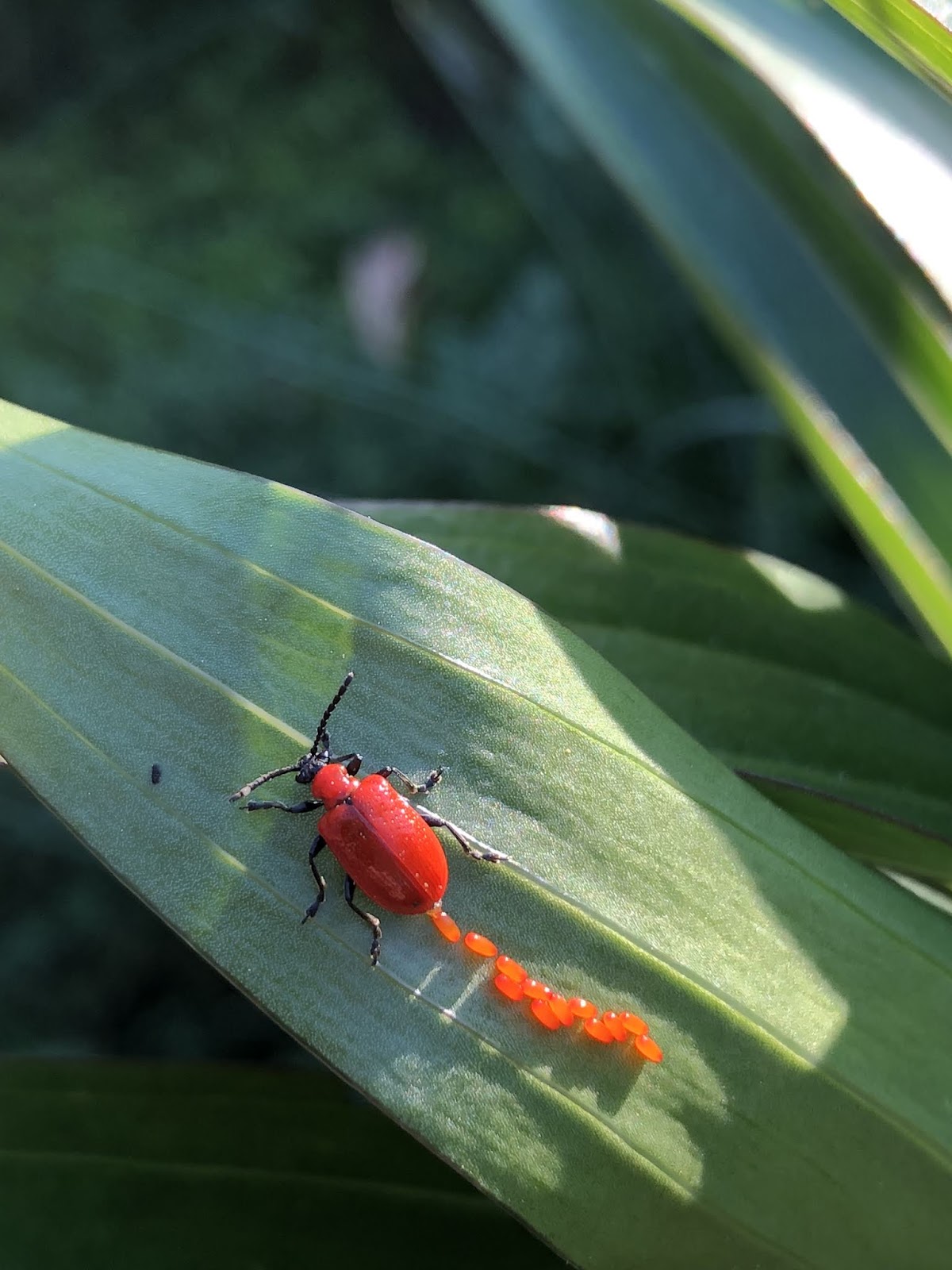
Adults are easiest to spot as they are bright red, even though they are relatively small.


Eggs


Eggs are usually on the underside of leaves and are normally an orangish color.


Larvae


Larvae are brownish blobs also usually found on the underside of leaves.


Reporting


If you find any life stage of the Lily Leaf Beetle, here's what to do:
  1. Take a clear photo of the beetle, eggs, or larva. Cell phones are great for this!
  2. Go to the lily leaf beetle reporting form online.
  3. Submit the photo, and include the date you saw the lily leaf beetle (or eggs/larvae) and general location information using the online reporting form. That's it!
If you can't access the online submission form, you can send the photos, location information, and date you saw the pest to mfreeman@agr.wa.gov. Once the week is over, WSDA entomologists will compile all of the emailed sightings and those submitted directly to the website, creating the most complete map of this invader to date. 

Want more info about the Lily Leaf Beetle? Here is a short video about it:


Thursday, August 2, 2018

Pest Alert! Lily leaf beetle is on the move

Karla Salp
Communications

The lily leaf beetle is a new pest threatening Washington’s gardens, nurseries, and native plants. It is a voracious feeder that can decimate lilies, fritillaries, and giant lilies overnight where it becomes established. 

Now, it is on the move and we are asking your help to monitor this pest and stop its movement. 

Here is what to look for:
  • Adults – Bright red adult beetles are about 1 cm long.
  • Larvae – Larvae look like blackish brown blobs because they cover themselves with their own excrement to protect themselves from predators.
  • Eggs – 1 mm long orange eggs are laid on the underside of leaves.
If you suspect you have found lily leaf beetle, you can quickly and easily report it online.

While the lily leaf beetle has been found around the Bellevue and greater Seattle area for a few years, the pest was first found in Olympia in June 2018 – a sign that it is significantly more widespread than expected. The pest was transported to Olympia on infested lilies, and it could have spread rapidly throughout the region on lilies or fritillaries moved from the greater Seattle area to other locations.

Learn more about the lily leaf beetle by reading our previous blog posts from 2018 and 2017. You can also contact entomologist Maggie Freeman in the WSDA Pest Program at 360-902-2084.

Adult lily leaf beetles are about 1 cm long

Lily leaf beetle larvae cover themselves with excrement
Photo credit: Richard A. Casagrande, University of RI

Lily leaf beetle eggs 

Wednesday, April 12, 2017

Wanted: Bugs

Karla Salp
Pest Program Outreach Coordinator

wanted poster for lily leaf beetle
Believe it or not, the Department of Agriculture is ready to take live bugs off of your hands…or yard.

Of course, it’s not just any bug that WSDA is looking for. They are in need of live specimens of the Lily Leaf Beetle, will be found for the next few weeks, primarily on lilies.

Gathering these bright red insects is part of a biological control project that WSDA’s pest program hopes to launch this spring. WSDA held public meetings in Bellevue last week to tell community members about the new pest and their plans to respond to the introduction.

The lily leaf beetle consumes both the leaves and blossoms of lilies and fritillaries. It is a threat to both home gardens and commercial lily growers. The bug was first found by an alert gardener in Bellevue and sightings of the beetle have now been confirmed throughout the greater Seattle area.

Unfortunately, eradicating this particular pest is not possible.

The good news, however, is that a biological control has proven effective in other areas where the Lily Leaf Beetle has become established, such as the East Coast. WSDA’s project involves the release of tiny wasps that predate only on the Lily Leaf Beetle; there are no other insects in the Pacific Northwest which the wasp targets.

To improve the likelihood of establishing the wasp in Washington, WSDA needs to ensure there are sufficient Lily Leaf Beetles in areas where the wasps will be released.

WSDA asks gardeners who see the beetle in their yards to report them. WSDA will collect the beetles from gardeners upon request.

You can take pictures of and report Lily Leaf Beetle sightings on WSDA’s website. When reporting your sighting, leave a note in the comments section of the form if you would like WSDA to collect the beetles.