Showing posts with label avian health. Show all posts

Friday, July 1, 2022

Summer is here, but bird flu hasn’t flown the coop

Karla Salp
Communications

Chickens not confined to a covered shelter are
at greater risk for contracting bird flu
It’s been a bad year for bird flu across the country, even though it was only first detected in Washington in early May. At the time, state veterinarians were hopeful that Washington would scrape by without any cases or, once it arrived, that we would be over the worst of it by the end of June. Unfortunately, neither happened.

Washington’s backyard flocks and wild birds are still contracting highly pathogenic avian influenza, with the first detection in Kitsap County happening only this week. The prolonged period of detections has backyard flock owners asking when they can relax the biosecurity measures they have been taking to protect their flocks.

The short answer is: not yet.

Given the number of detections still occurring, Dr. Amber Itle, Washington State Veterinarian, continues to recommend that owners keep their birds isolated until 30 days after the last detection in the state.

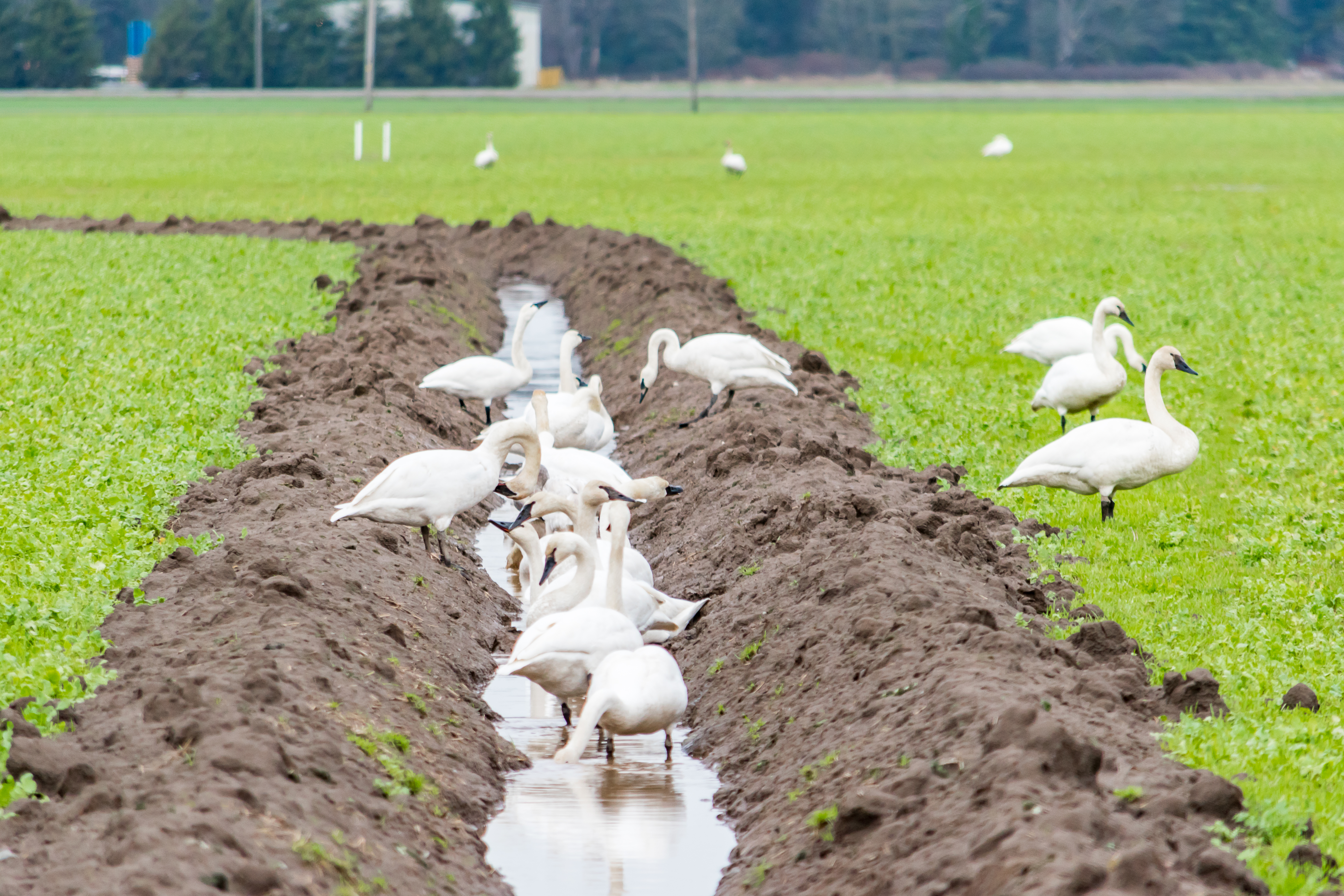
While this may be challenging for owners, what they are doing is working! All of the flocks that have had detections have had contact with wild birds, especially wild waterfowl.

Keeping your birds covered and confined is best, but if you can’t, then here are some steps you can take to reduce your risk:

  • Separate domestic birds from wild birds
  • Separate domestic poultry from domestic waterfowl
  • Discourage wild birds from coming near your flocks
  • Only feed domestic birds indoors and remove feed at night (when wild birds often feed)
  • Lock up your flock’s feed in containers with lids
  • Remove bird feeders that might attract wild waterfowl
  • Fence off the ponds
  • Cover the chicken yard with netting·

Direct and indirect contact with wild waterfowl
has proven to be one of the greatest risk 
factors for a flock contracting HPAI this year
Most flock owners have been doing a tremendous job protecting their birds. And even though there have been several detections in backyard flocks, efforts by backyard flock owners, commercial flock owners, and state and federal officials have thus far prevented infection in commercial flocks, which would have a significant impact on the food supply and Washington’s poultry industry. (Did you know eggs are frequently one of Washington’s top 10 commodities?)

It may be tempting to just let your birds run loose as the weather warms, but biosecurity is still as important now as it was two months ago when bird flu was first confirmed here. Hopefully, warmer summer weather will help lighten the virus load and cases will begin to decline.

This outbreak has been tough on flock owners, veterinarians, and especially our birds who have been isolated and unable to run free. Hang in there, and reach out to friends and fellow flock owners for support during this difficult time. A BIG thank you to all our flock owners who are doing everything they can to protect their flocks and the surrounding flocks.

  Visit agr.wa.gov/birdflu for more information, including the latest detections in the state. 

Thursday, December 20, 2018

Contagious poultry disease in California jumps from backyards to a commercial flock

Dr. Dana R Dobbs
WSDA Field Veterinarian, Avian Health Lead
The vND virus can infect many bird species including chickens,
 turkeys, ducks, geese, and game birds. Infected birds shed
 large amounts of virus in respiratory fluids and feces.
An outbreak of virulent Newcastle disease (vND) in several Southern California backyard flocks has advanced to a commercial flock, the United States Department of Agriculture’s (USDA) Animal and Plant Health Inspection Service (APHIS) confirmed last week.

Disease not detected in Washington

So far, no backyard flocks or commercial poultry operations in Washington have detected diseased birds associated with this most recent outbreak of the deadly poultry disease.

Virulent Newcastle disease is not a food safety concern.  No human cases of Newcastle disease have ever occurred from eating poultry products.  Properly cooked poultry products are safe to eat.  In very rare instances, people working directly with sick birds can become infected with mild symptoms, such as conjunctivitis.

Eradication efforts

In California, virulent Newcastle disease has continued to spread since in was detected in May.

There had been 234 cases involving backyard birds in California this year despite eradication efforts by USDA-APHIS and the California Department of Food and Agriculture (CDFA).

Last week, USDA confirmed the presence of vND in a commercial chicken flock in Riverside County, California. The sick flock was completely depopulated within 24 hours of the positive finding. It was first case found in commercial poultry since 2003.

Keep virulent Newcastle disease out of Washington

Because the disease spreads quickly and represents a major economic risk to the poultry industry, WSDA asks local poultry growers and those with backyard flocks to keep their guard up.

One of the most likely pathways for the disease to find its way into Washington is a pet bird such as a parrot, said Washington State Veterinarian Brian Joseph. Exotic birds often carry the disease without visible symptoms. 

Poultry owners and veterinarians should be familiar with the clinical signs and actions to take if the disease is suspected. Report any cases to the WSDA Sick Bird Hotline at 1-800-606-3056.

How can I protect my flock?

Virulent Newcastle Disease (previously Exotic Newcastle Disease) is a viral disease that affects all species of birds. Its primary mode of transmission is aerosols and / or direct contact with infected birds and their saliva or feces. The disease has a rapid onset, with an average of 5 days post exposure, and can be fatal. Besides respiratory secretions, the virus can be found in bedding, contaminated food / water, or on farm equipment and clothing. Therefore, it is essential that all flock owners have sound biosecurity practices in place.

Clinical signs to look for:

• Sudden, unexplained death in the flock or high mortality
• Coughing, sneezing, gasping for air
• Depression, decreased appetite, green diarrhea
• Changes in egg production
• Paralysis of the legs or wings, twisting of the neck, tremors, circling
• Swelling around the eyes and neck

** vND may cause transient conjunctivitis (“pink eye”) or flu like symptoms in humans. Properly cooked poultry products are safe to consume.

Don’t delay, report sick birds right away. 

• WSDA Avian Health Program Sick Bird Hotline: 1-800-606-3056
• Your local veterinarian
• Washington Animal Disease Diagnostic Lab (WADDL): 509-335-9696
• Avian Health and Food Safety Lab (AHFSL): 253-445-4537

**Veterinarians - It is extremely important that oropharyngeal samples are submitted to the laboratory for an accurate diagnosis and the owner takes precautions to limit the spread of disease in the meantime. Please call Beth Reitz at the State Veterinarian’s office if you have questions or would like to discuss an unusual case: 360-725-5494.

Disease prevention starts with good biosecurity practices:

• Purchase birds from National Poultry Improvement Plan (NPIP) hatcheries or producers
• Isolate new birds from the rest of the flock for at least 30 days. This also applies to birds returning from fairs or shows
• Restrict traffic onto and off of your property and avoid visits to other poultry operations; especially during an outbreak
• Have dedicated clothing and boots for use in the poultry area
• Isolate sick birds and visit them last during daily operations such as feeding or egg collection
• Disinfect clothes, boots, equipment and wash hands after handling poultry
• Keep poultry houses and feeders clean and provide a fresh water source
• While there is a vaccine for vND, it may not prevent the disease

Please visit USDA Bulletin for more information about virulent Newcastle disease.

Thursday, July 19, 2018

A call for vigilance: keep deadly poultry disease out of our backyard

Dr. Brian Joseph
Washington State Veterinarian

An outbreak of a deadly poultry disease in southern California is cause for local poultry growers and those with backyard flocks to keep their guard up.


If you have poultry, we ask that you be on the lookout for signs of Virulent Newcastle Disease (vND) and report any cases to the WSDA Sick Bird Hotline at 1-800-606-3056. 

The warning comes on the heels of an outbreak that began this May in Southern California, where the virus appeared and spread through backyard poultry flocks in Los Angeles, Riverside and San Bernardino counties. The disease has not been detected in any domestic poultry in Washington – we would like to keep it that way.

Watch for unusually large numbers of poultry deaths or symptoms such as swelling around the eyes and neck, dripping of fluid from the beak and nasal area, coughing, sneezing, twisting of the head and neck, greenish diarrhea, decreased appetite, or decreased egg production.

Commonly known as exotic Newcastle disease, vND spreads quickly with high rates of illness and mortality for domestic poultry. 

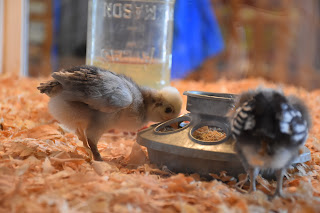
The vND virus can infect many bird species including chickens, turkeys, ducks, geese, and game birds. Infected birds shed large amounts of virus in respiratory fluids and feces.

Backyard chickens are at greater risk and are highly susceptible because they can be “silently” infected by other birds, such as parrots, that show few or no signs of illness.

No commercial poultry operations have been affected so far and properly cooked poultry poses no risk to humans when consumed. For poultry, the virus can be transferred between facilities on clothing, feed, equipment or by moving birds, which may appear unaffected. 

Prevention through biosecurity 

The key to preventing vND infection is to practice consistent biosecurity. Recommendations from CDFA include:

  • Use dedicated clothing and footwear or wear disposable coveralls and booties when visiting birds
  • If exposed to poultry waste, change clothes and footwear, disinfect any items used and wash your car
  • Use footbaths for the bottoms of shoes or plastic botties at entry/exit of poultry enclosures
  • Practice good hygiene for your hands and disinfect equipment
  • Prevent wild birds from entering poultry enclosures
  • Carcasses of dead birds should be double bagged in plastic garbage bags
  • DO NOT dump bird carcasses on the roadside or other exposed locations
  • Avoid gatherings where poultry are present
  • Avoid sharing or borrowing equipment from other poultry owners
  • Avoid moving your birds or purchasing new additions unless they are from an NPIP certified seller.

Visit our avian health webpage if you have questions about exotic Newcastle disease, or how to keep your birds safe and healthy. 

Monday, October 9, 2017

WSDA monitoring flock after waterfowl test positive for low pathogenic avian flu

Dr. Brian Joseph
Washington State Veterinarian

Washington State Department of Agriculture (WSDA) veterinarians detected a low pathogenic strain of avian influenza (LPAI H5) in a flock of waterfowl last weekend during a routine test of open class exhibition poultry at the Central Washington Fair in Yakima County.

Recent reports of these positive test results should not be cause for alarm. Although it’s always important to monitor flocks which have tested positive for an avian influenza strain, this low pathogenic strain is not the same as the HPAI H5N1 strain that makes people sick in other parts of the world. It is the strain of LPAI known to commonly circulate in North American waterfowl which does not readily infect chickens, although it can.

WSDA animal health specialists said this strain of
avian influenza is low risk for poultry and no risk to humans.
While it can potentially spread to domestic poultry or mutate into high pathogenic avian flu, we closely monitor any flocks that test positive for LPAI H5 or H7 to make sure we can respond quickly if circumstances change.

On Friday evening, Sept. 29, our veterinarians were notified that the duck flock from Lewis County tested positive for low pathogenic avian influenza. The owners were advised to remove their birds from the fair and return them to the home farm. They cooperated and removed the flock the next morning. WSDA also issued “stop movement” orders to prevent the birds from being moved and to reduce chances that the disease would spread.

Moving forward
WSDA has partnered with the U.S.Department of Agriculture (USDA) to develop a continued health plan for the flock. There will be no depopulation in this case, and state officials will conduct further testing on the flock 21 days after the first test.

To improve biosecurity and help prevent infection, we urge you to keep any domestic ducks in your flock, and their water sources, separate from your chickens and wild ducks.

If you have any questions, email ahealth@agr.wa.gov to reach our avian health specialists.

Wednesday, June 14, 2017

Want to prevent salmonella illness? Don’t snuggle the poultry

Hannah Street
Communications 

Recent cases of salmonella illnesses in Washington state serve as a reminder of the importance of practicing good hygiene when handling or working around poultry.

Earlier this month, the state Department of Health reported 16 confirmed cases of salmonella originating from live poultry in a dozen counties on both sides of the state. Though no deaths have been reported, five people were hospitalized.

Our local cases are part of a larger, multistate outbreak of human salmonella linked to live poultry. As with the Washington state cases, those who became sick reported obtaining poultry from feed supply stores, hatcheries, relatives or from the web.

Salmonella
Salmonella is a bacteria that can be found on live poultry dropping, feathers, feet and beaks. People become infected when those germs make contact with the mouth area.
Certain factors can speed the spread of salmonella, such as the inclination of young children to handle ducklings and chicks, which are in turn more likely to shed salmonella bacteria in their droppings. Since children are less likely than adults to wash their hands after handling these animals, it is vital that adults supervise children to ensure they practice good hygiene when handling poultry.

Medical attention
Symptoms of salmonella in humans include fever, diarrhea, and stomach pain. These symptoms tend to show up within three days of infection, and while symptoms can go away on their own, severe cases can require medical attention.
Healthy poultry can carry salmonella, so it’s important to maintain proper care of and hygiene around poultry.

Prevention  
Although outbreaks are becoming more common as more people are getting backyard flocks, salmonella isn’t inevitable if you live or work around poultry. Diligent hygienic practices decrease the chances of contracting poultry-related illnesses.
The best defense is washing hands with soap and water after handling. And while poultry, and baby chicks in particular, can invite affectionate handling, never nuzzle or kiss live poultry.
Other prevention methods recommended by the Centers for Disease Control include:
• Keeping pens outdoors, as well as any equipment used around poultry.
• Thoroughly cooking and handling eggs from hens.
• Refraining from eating or drinking around poultry.
• Supervision of young children around live poultry.

Visit the Centers for Disease Control webpage, Keeping Backyard Chickens, for more information salmonella and poultry.

Thursday, November 17, 2016

WSDA veterinarians gear up for bird flu

Mike Louisell
Communications

It seems to me as if WSDA’s veterinarians and emergency response team members are like fire fighters – both groups train for the worst but hope for the best. The reality is, fires do happen and so do outbreaks of deadly avian influenza.
A  foam spray operation demonstrated at Lacey training event.

In October, 60 people from Washington’s commercial poultry farms, state and federal agencies and WSDA participated in a training event at the Thurston County Fairgrounds.

They learned about protective gear to wear when responding to an avian influenza event and the proper use of respirators and other safety measures. They also witnessed the operation of a foaming machine used as one of several tools to depopulate flocks during disease emergencies.

 “The trust we have developed with our producers over the years is a critical asset if we need to respond to disease outbreaks,” said Lyndon Badcoe, WSDA avian health veterinarian and epidemiologist. “Our training and the support from the poultry industry is much appreciated.”

2014-2015 outbreak

Highly pathogenic avian influenza is fatal in poultry and spreads quickly. The first outbreak of the disease in our state started in December 2014 and carried over to 2015. Avian influenza remains an on-going risk for poultry here.

In a blog post, the U.S. Department of Agriculture reported that the 2014/2015 avian influenza outbreak involving several states was the largest animal health emergency in America’s history. The virus contributed to the death of 48 million birds.

Protect your flock

Whether you own a large flock or just a few backyard chickens, there are several practices to keep in mind to protect your chickens from bird flu:
  • Report any signs of illness or increased deaths among your flock to your veterinarian or call WSDA’s Sick Bird Hotline at 1-800-606-3056.
  • Wash your hands with soap and water or hand sanitizer before and after working with poultry.
  • Designate a pair of boots or shoes for use only in the coop.
  • Prevent wild animals and waterfowl from coming into contact with your chickens. If you have a pond that attracts waterfowl, consider draining it if that’s practical.
  • Isolate new birds for a 30 days before introducing them into your flock.
  • Use reputable sources for birds and store in rodent-proof container.
  • Place footbaths on a concrete pad or pallet.
Poultry institute program at WSU Puyallup

Regulatory officials and veterinarians are also sharing information to help prevent an outbreak of avian flu or minimize its spread if it were to occur. Poultry experts from Washington State University, WSDA, University of California, Davis and industry representatives met Nov. 10 in Puyallup to discuss disease control. And earlier this year, the National Poultry Improvement Program Biannual Conference was held in Bellevue, also covering issues around preventing an outbreak of avian influenza.

Bird owners can visit our Avian Health Program webpage tips on biosecurity to learn more about poultry care and management, as well as disease prevention.