Showing posts with label state veterinarian. Show all posts

Thursday, January 27, 2022

Veterinary Shortage Areas Designated in WA

Dr. Amber Itle
Washington Interim State Veterinarian

Are you having trouble finding a veterinarian to work on your livestock?  Is your veterinarian getting ready to retire and unable to find another veterinarian to provide service in your area? In the last year, the Washington State Veterinarian’s Office has been hearing increasing concerns about a shortage of food animal and livestock veterinarians in our state.

In response, the state vet’s office successfully nominated for inclusion four veterinary shortage areas in our state, opening the door for veterinarians to take advantage of both the U.S. Department of Agriculture Veterinary Medicine Loan Repayment Program (VMLRP) and the Veterinary Services Grant Program, also a USDA initiative. 

The shortage areas identified include Clallam, Adams, Franklin, Douglas, Grant, Lincoln, Asotin, Columbia, Garfield, and Walla Walla counties.  

The VMLRP helps qualified veterinarians offset up to $25,000 of student loan debt per year in return for their service in certain high-priority veterinary shortage situations. The shortage area designation also allows veterinary practices to apply for funds to expand service capability and capacity (i.e., obtain new mobile units, purchase ultrasound equipment, etc).  

For veterinarians interested in the loan repayment program, the application period is from February 1, 2022 through April 15, 2022.  

More information about both programs can be found at nifra.usda.gov or by emailing the USDA programs directly at VMLRP@usda.gov or VSGP@usda.gov. 

Thursday, October 10, 2019

Deadly deer virus detected in Western Washington yak

Chris McGann
Communications

The state animal disease lab confirmed a case of EHD in a
 Whatcom County yak this week.
Last week, a Whatcom County veterinarian  euthanized a six-year-old yak cow showing symptoms of Epizootic Hemorrhagic disease (EHD), a potentially deadly virus that primarily effects wild deer populations, but occasionally crosses over to cattle.

A subsequent Washington Animal Disease Diagnostic Laboratory (WADDL) necropsy confirmed the animal had EHD.

Two other yaks from the herd died in recent weeks after displaying similar clinical signs such as stiff gate, drooling and nasal secretions that are consistent with EHD.

According to the owner's report, the euthanized yak began showing signs of illness on Sept. 30.  It appeared to isolate itself from the herd, developed a thick-mucous runny nose, and had difficulty moving. The owner also observed small droplets of blood coming from possible fly bites near its eyes. They called the vet.

The clinical signs of EHD are similar to the much more devastating foot-and-mouth disease, so it is important to report suspected cases to the State Veterinarian.

EHD is not a threat to human health.

The the owners took the euthanized animal to WADDL in Pullman, where lab reports confirmed the EHD diagnosis.

The outbreak in Western Washington comes on the heels of a confirmed EHD diagnosis in four cows from Franklin and Walla Walla counties.

Biting midges or Culicoides gnats, commonly known as “no-see-ums” are the main way the disease is spread. Female biting midges can ingest blood from infected animals and then feed on uninfected animals. These midges typically breed near mud, so EHD outbreaks often occur when cattle and other ruminants congregate in wet areas.

No vaccines are available for EHD, so controlling the midges by eliminating standing water from areas used by cows, applying insecticides around water areas to decrease the swarms, or using bug repellent on the cows is the best defense.
.

For more information visit WSDA’s Animal Services Division webpage.

Monday, September 30, 2019

Deadly deer disease diagnosed in four Eastern Washington cows

Chris McGann
Communications

Controlling midges is the best defense against EHD.
Four cows in Franklin and Walla Walla counties were diagnosed this week with Epizootic Hemorrhagic disease (EHD), a potentially deadly virus that primarily effects wild deer populations but occasionally crosses over to cattle.

Cattle owners should be on the lookout for EHD symptoms such as excessive drooling, lethargy, difficulty walking, or oral and nasal lesions with ulceration, which are similar to the much more devastating foot-and-mouth disease.

Fever and anorexia due to the oral erosions were seen in the recently diagnosed cattle. Supportive care is the only treatment for infected cows.

Differentiating EHD from other animal diseases requires laboratory testing so you should contact your veterinarian if you observe these symptoms.

“Although EHD is seldom prevalent in cattle, we must show an abundance of caution and investigate each case due to the similarity of symptoms this disease has with the highly contagious and economically disastrous foot-and-mouth disease,” said Washington State Veterinarian Dr. Brian Joseph.

EHD is not a threat to human health.

The disease usually occurs in cattle where environmental conditions support large populations of biting midges.

Biting midges or Culicoides gnats, commonly known as “no-see-ums” are the main way the disease is spread. Female biting midges can ingest blood from infected animals and then feed on uninfected animals. These midges typically breed near mud, so EHD outbreaks often occur when cattle congregate in wet areas.

All ruminants can be affected, but generally it is a deer disease.

No vaccines for EHD are available for EHD so controlling the midges by eliminating standing water from areas used by cows, applying insecticides around water areas to decrease the swarms, or using bug repellent on the cows is the best defense.

In the coming weeks, the cool fall weather and frost is expected to limit the gnat population and the spread of the disease.

For more information visit WSDA’s Animal Services Division web page.


Friday, August 23, 2019

Deadly rabbit disease persists and spreads in San Juan Islands.

Chris McGann
Communications

Rabbit hemorrhagic disease is spreading in the San Juan
Islands.
State and federal labs have confirmed another occurrence of rabbit hemorrhagic disease virus 2
(RHDV2) in domestic rabbits in the San Juan Islands, this time on San Juan Island near Friday Harbor.

The findings are part of the ongoing investigation into confirmed RHDV2 cases on the Orcas Island last month.

RHD is a viral disease that causes sudden death in rabbits and can be spread through contact with infected rabbits, their meat or their fur, or materials coming in contact with them. It poses no human health risk.

The San Juan Island case involved 2 domestic rabbits near Friday Harbor that that died suddenly. The owner reported the suspected case directly to the State Veterinarian and submitted the dead rabbit for testing. The rabbits had direct contact with feral rabbits.

The disease has also been confirmed in the feral populations on the Islands.

Although this most recent case is still isolated in the San Juan Islands, the fact that it occurred on a different island than the original outbreak shows that it can spread in spite of geographical barriers.

“We believe it is still isolated to the islands,” said Assistant State Veterinarian Dr. Amber Itle. “Anyone who visits the islands should observe strict bio security especially if they have rabbits at home.  We strongly recommend no movement of any domestic or feral rabbits from the San Juan County to prevent spread to the mainland.”   

WSDA vets are also investigating reported die offs in a domestic colony on Orcas Island and feral rabbits on Lopez Island.

Rabbit owners who have questions about this disease should contact their veterinarians. If a case is suspected, veterinarians should contact APHIS or send an email to contact the State Veterinarian’s Office.

For more information, fact sheets are available from the Center for Food Safety and Public Health at Iowa State University.


Tuesday, June 18, 2019

Wanted: Livestock Identification Advisory Committee nominations

Jodi Jones
Animal Services

Brand Program Manager Robbie Parke talks with Danny
DeFranco, Washington State Cattlemen's Association
Executive Vice President. 
WSDA is seeking nominations for its Livestock Identification Advisory Committee.

Earlier this month, we took an opportunity to provide information about legislative updates to our Livestock Inspection Program and get the call out for nominations to the newly expanded advisory committee when we met with industry representatives at a meeting in Ellensburg.

In April, lawmakers passed Senate Bill 5959, a new law intended to modernize the program and restore it to financial solvency.

It also expanded the advisory board from six to 12 members. The law requires WSDA’s director to appoint two Livestock Identification Advisory Committee members from each of six industry groups including beef producers, public livestock market owners, horse producers, dairy producers, cattle feeders, and slaughter facility owners. No more than two committee members may reside in the same county.

Most of the bill’s new provisions go into effect on July 28, but there is still some confusion in the livestock community about the details.

"I’m just glad that you are doing this,” said Sen. Judy Warnick, prime sponsor of SB 5959. “I’ve been hearing so many misstatements and misinformation out there, and we put so much work into [the bill], so we have to do whatever it takes to make it happen and dispel some of the misinformation that has been bandied about.”

Warnick said the top two rumors she’s been hearing are:

  • It’s going to cost $20 per head to register your cows. 
  • Dairy farmers are going to have to brand all their cows. 

Both are false.

However, it is true that cattle identification fees are changing.

  • Inspection fees for identified cattle will be $1.21 per head.
  • Inspection fees for unidentified cattle will be $4 per head.
  • Inspection fees for horses are $3.85 per head.
  • Audit fees for certified feedlots is 28 cents per head. 
  • A $20 call-out fee replaces the time and mileage fee and will be collected for all inspections.


And, dairy farmers do not have to brand their cows. They can identify them with electronic official individual identification for $1.21 a head or leave them unbranded/unidentified at the $4 per-cow rate.

A recent WSDA Ag Briefs article outlines all of the new rates.

Animal Services Acting Assistant Director Jodi Jones reviewed the timeline for implementing the proposed rules. She explained that most of the new fees go into effect July 28.  The use of the Electronic Cattle Transaction Reporting (ECTR) program and subsequent licensing fees and the certified veterinarian and field livestock inspector certification fees will require rule changes that will take several months to complete.

The ECTR system will accept credit cards and electronic checks when it becomes available as early as October. However, payment of fees with credit cards in the field will not be possible until a few legal and technical issues are resolved.

The law also expands the field of people authorized to do brand inspections. Trained certified veterinarians or field livestock inspectors dispersed throughout the state will be able to conduct brand inspections. Those certified by the department to conduct brand inspections will be required to collect and remit the fees outlined in the bill to WSDA.

A few Washington brands on the side-
walk outside the Cattlemen's Association.
Inspection training for certified veterinarians and field livestock inspectors will be scheduled in the coming months.

“We don’t want to have any conflicts of interest with those authorized to do brand inspections,” Jones said. “We plan to put some language in the [proposed rules] to make sure we have a sound asset protection program.”

For more information about the Livestock Inspection Program, contact Jodi Jones at (360) 902-1889 or Robbie Parke at (360) 902-1836.


Friday, June 7, 2019

Q fever: What sheep and goat owners should know

Dr. Amber Itle
Washington State Veterinarian

Don't let Q fever "jump the fence."
Lambing and kidding season, the time of year when goats and sheep give birth, is winding down. But goat and sheep owners should remain diligent to protect themselves and their animals when assisting with a difficult birthing.

In these circumstances,  Q fever, a serious but seldom fatal zoonotic disease, can be transmitted to humans and other animals by sheep, goats and cattle.

Caution should be taken in the case of animals that have aborted. Goat and sheep owners should be aware of the issues around testing, risks of exposure and prevention of this disease.

What is Q fever?

Q fever is a disease caused by the bacteria Coxiella burnetii. This bacteria naturally infects some animals, such as goats, sheep, and cattle. C. burnetii bacteria are found in the birth products (i.e. placenta, amniotic fluid), urine, feces, and milk of infected animals.

  • Usually Q Fever does not show any clinical signs in animals, but can cause abortion. 
  • Q Fever is most likely to be shed around partition in the placenta, uterine fluids, or aborted material.
  • Animals can become infected when in direct contact with highly infectious material associated with parturition or nursing from an infected dam. 
  • People can get infected by breathing in dust that has been contaminated by infected animal feces, urine, milk, and birth products. Some people never get sick; however, those who do usually develop flu-like symptoms including fever, chills, fatigue, and muscle pain.
  • Q fever is commonly found in the environment and can survive for many years.
  • Q fever is considered to be an endemic disease in Washington.

Who is most at risk?

  • The highest risk of transmission is for those that drink raw milk and those that have direct contact with birthing fluids/ placenta, or aborted fetuses. 
  • Q fever is primarily an occupational hazard for farmers, veterinarians, and slaughterhouse workers in contact with infected domestic animals, especially around birthing. 
  • Immunosuppressed, the elderly, pregnant women and young children are most vulnerable to the disease.  
  • About 60 percent of people exposed to it do not get sick.  Those that do most commonly develop flu-like symptoms. 

Prevention

  • WSDA has created a detailed biosecurity plan. Goat and sheep owners may find this voluntary Q fever management plan useful. 
  • If you experience abortions on your farm, contact your veterinarian for a full diagnostic work up.  

How to avoid Q fever
  • Avoid drinking unpasteurized milk products from cattle, sheep, and goats. 
  • Limit contact with birthing fluids and placentas during birthing. 
  • Protect yourself. Gloves, eye protection, and a protective mask can be worn when handling highly infectious materials and cleaning manure or bedding, especially from birthing pens.  

Testing for Q fever

Q fever tests detect antibodies to Coxiella burnetii. Antibody tests only determine past exposure rather than active shedding of the disease organism. The test does not determine if the animal is actively infected or if the animal is shedding the organism in the milk. Currently, there are no commercially available testing procedures for Q fever that give accurate and reliable definitive results. Therefore, WSDA does not recommend euthanasia of goats with a positive antibody test.

For more information

Contact WSDA’s Animal Health Program


Thursday, December 20, 2018

Contagious poultry disease in California jumps from backyards to a commercial flock

Dr. Dana R Dobbs
WSDA Field Veterinarian, Avian Health Lead
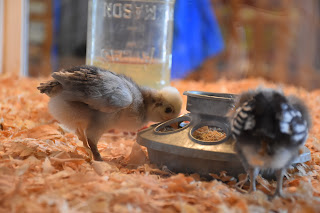
The vND virus can infect many bird species including chickens,
 turkeys, ducks, geese, and game birds. Infected birds shed
 large amounts of virus in respiratory fluids and feces.
An outbreak of virulent Newcastle disease (vND) in several Southern California backyard flocks has advanced to a commercial flock, the United States Department of Agriculture’s (USDA) Animal and Plant Health Inspection Service (APHIS) confirmed last week.

Disease not detected in Washington

So far, no backyard flocks or commercial poultry operations in Washington have detected diseased birds associated with this most recent outbreak of the deadly poultry disease.

Virulent Newcastle disease is not a food safety concern.  No human cases of Newcastle disease have ever occurred from eating poultry products.  Properly cooked poultry products are safe to eat.  In very rare instances, people working directly with sick birds can become infected with mild symptoms, such as conjunctivitis.

Eradication efforts

In California, virulent Newcastle disease has continued to spread since in was detected in May.

There had been 234 cases involving backyard birds in California this year despite eradication efforts by USDA-APHIS and the California Department of Food and Agriculture (CDFA).

Last week, USDA confirmed the presence of vND in a commercial chicken flock in Riverside County, California. The sick flock was completely depopulated within 24 hours of the positive finding. It was first case found in commercial poultry since 2003.

Keep virulent Newcastle disease out of Washington

Because the disease spreads quickly and represents a major economic risk to the poultry industry, WSDA asks local poultry growers and those with backyard flocks to keep their guard up.

One of the most likely pathways for the disease to find its way into Washington is a pet bird such as a parrot, said Washington State Veterinarian Brian Joseph. Exotic birds often carry the disease without visible symptoms. 

Poultry owners and veterinarians should be familiar with the clinical signs and actions to take if the disease is suspected. Report any cases to the WSDA Sick Bird Hotline at 1-800-606-3056.

How can I protect my flock?

Virulent Newcastle Disease (previously Exotic Newcastle Disease) is a viral disease that affects all species of birds. Its primary mode of transmission is aerosols and / or direct contact with infected birds and their saliva or feces. The disease has a rapid onset, with an average of 5 days post exposure, and can be fatal. Besides respiratory secretions, the virus can be found in bedding, contaminated food / water, or on farm equipment and clothing. Therefore, it is essential that all flock owners have sound biosecurity practices in place.

Clinical signs to look for:

• Sudden, unexplained death in the flock or high mortality
• Coughing, sneezing, gasping for air
• Depression, decreased appetite, green diarrhea
• Changes in egg production
• Paralysis of the legs or wings, twisting of the neck, tremors, circling
• Swelling around the eyes and neck

** vND may cause transient conjunctivitis (“pink eye”) or flu like symptoms in humans. Properly cooked poultry products are safe to consume.

Don’t delay, report sick birds right away. 

• WSDA Avian Health Program Sick Bird Hotline: 1-800-606-3056
• Your local veterinarian
• Washington Animal Disease Diagnostic Lab (WADDL): 509-335-9696
• Avian Health and Food Safety Lab (AHFSL): 253-445-4537

**Veterinarians - It is extremely important that oropharyngeal samples are submitted to the laboratory for an accurate diagnosis and the owner takes precautions to limit the spread of disease in the meantime. Please call Beth Reitz at the State Veterinarian’s office if you have questions or would like to discuss an unusual case: 360-725-5494.

Disease prevention starts with good biosecurity practices:

• Purchase birds from National Poultry Improvement Plan (NPIP) hatcheries or producers
• Isolate new birds from the rest of the flock for at least 30 days. This also applies to birds returning from fairs or shows
• Restrict traffic onto and off of your property and avoid visits to other poultry operations; especially during an outbreak
• Have dedicated clothing and boots for use in the poultry area
• Isolate sick birds and visit them last during daily operations such as feeding or egg collection
• Disinfect clothes, boots, equipment and wash hands after handling poultry
• Keep poultry houses and feeders clean and provide a fresh water source
• While there is a vaccine for vND, it may not prevent the disease

Please visit USDA Bulletin for more information about virulent Newcastle disease.

Tuesday, July 17, 2018

Six questions to ask before getting an exotic pet

Dr. Brian Joseph
Washington State Veterinarian 

You have seen the pictures – the cute little button face with big eyes that makes you say to yourself, “I want one, where can I get one?” Next thing you know, you are the proud owner of a Capuchin monkey, a chimpanzee, or some other exotic animal.

The bad news is that once someone turns you in-- and that is very likely-- authorities can confiscate the animal you paid hard cash for. Don’t expect to get your animal back. Furthermore, it could even be euthanized, because many wild and exotic animals are illegal to own in Washington State.

So before you purchase or otherwise acquire a wild or exotic animal as a pet, ask yourself these six questions:

1. How will I keep my friends, family and neighbors safe from this animal?
2. How will I meet all of its health requirements?
3. Am I prepared to care for this animal as a pet for 30 years or even longer?
4. Am I prepared for the liability that accompanies keeping a wild animal?
5. Where will I obtain veterinary care?
6. Most importantly, is it legal?

From wild to domestic

Dogs are thought to be the first animal domesticated as a companion, rather than as a source of food for humans, over a process that took thousands of years. Most modern breeds developed only over the last 200 years.

Domestication requires controlled breeding, many generations of investment, and starting with an appropriate species. Most wild or exotic animals, such as foxes, wolves, non-human primates, venomous snakes, crocodiles and alligators, have not been subject to long-term domestication.

Wild and many exotic animals can pose risks to public safety, carry diseases that can infect humans, and require specialized diets and care.

Check the law

Most exotic animals are illegal to own under state law. In addition, many local ordinances governing owning exotic or potentially dangerous wild animals have rules even stricter than state regulations. Among the many reasons these regulations exist are to protect against the public safety and health risks, as well as concerns about the animals’ welfare.

So, before you take on the responsibility of owning an exotic pet, research the state law (RCW 16-30) and your own city or county ordinances.

Every year throughout the world, wild animals kept as exotic pets injure people. Animal companionship is wonderful, and many of us crave it, but domestic animals are a safer bet as pets.

Email us at ahealth@agr.wa.gov if you have questions about acquiring an exotic animal.

Friday, April 6, 2018

EHV-1 detected in horse at equine facility, quarantine order issued

Dr. Brian Joseph
Washington State Veterinarian

The Washington State Department of Agriculture (WSDA) has quarantined a facility in King County after a single laboratory-verified case of equine herpes virus EHV-1, neuropathogenic strain, was detected there.

On April 5, a horse at the Gold Creek Equine Facility in Woodinville tested positive for EHV-1. The horse has been moved to an isolated area on the premises and WSDA has quarantined the facility. Temperatures of the horses at the facility will be taken twice daily.

Gold Creek has cooperated fully with the quarantine order and operators there are working to ensure strict biosecurity measures are in place. WSDA is tracing movements of horses off the premises prior to the quarantine and may issue additional quarantine orders if needed.

Given the highly infectious nature of the virus, WSDA is urging horse owners to follow these recommendations:

  • Watch your horse for signs of possible infection, such as:
    • Fever of 102.5F or higher
    • Discharge from the eyes or nose
    • Respiratory symptoms
    • Swelling of the limbs
    • Spontaneous abortions
    • Neurological signs such as unsteady gait, weakness, urine dripping, lack of tail tone and recumbency.
  • Check your horse’s temperature twice daily, ideally first thing in the morning and last thing at night. Also, check before administering medications as some can lower body temperature.
  • Notify your veterinarian immediately if you detect any of the symptoms above. Your veterinarian may want to take nasal swabs for virus detection or blood samples for evidence of exposure to EHV-1.
More information about testing, vaccines and biosecurity can be found in our previous blog about EHV-1.  This is a developing situation. We will update this blog as we learn more.

4/9/18 UPDATE: 

As a precautionary measure, on April 6 WSDA issued quarantine orders for two additional locations in Snohomish County where horses from Gold Creek had been transported prior to WSDA issuing the initial quarantine. The additional locations include a stable in Snohomish and a private residence in Monroe.

Horses at these additional sites are being monitored by veterinarians, but none have shown any signs of illness. All three sites are cooperating with the quarantine orders and are working to ensure strict biosecurity measures are in place.

4/26/18 UPDATE: 

The quarantine at Gold Creek remains in place although no other horses have tested positive or displayed neurological signs. The quarantine will remain until the infected horse, has had two negative tests for EHV-1 (the horse has had one negative swab since the initial detection and is awaiting a second negative test for confirmation.)

The quarantines on the other two facilities have been lifted as no horses tested positive or displayed symptoms.

5/1/18 UPDATE:

We're happy to update that all quarantines have now been lifted, including the quarantine at Gold Creek Equestrian. The horse that initially tested positive at Gold Creek has subsequently had two negative tests and is expected to make a full recovery. No other horses, at Gold Creek or the other two facilities that were quarantined, have tested positive or showed signs of EHV-1. Many thanks to all of these facilities for their excellent response in keeping this detection contained and protecting animal health!

Tuesday, February 6, 2018

King County horse barn quarantined for equine herpes virus

Dr. Brian Joseph
Washington State Veterinarian


On Monday, WSDA placed a King County equine premises under quarantine after a case of equine herpes, or EHV-1, was detected in a horse at the facility. However, this is a different strain of EHV-1 than the virus strain that lead to an earlier quarantine at a separate horse facility in Woodinville this past December. The two cases are not related.

The most recent case involves a non-neuropathogenic strain of equine herpes virus, though it is still serious and can cause respiratory problems in horses. The detection was made in a gelding that had recently been transported from Oregon. It is recovering under treatment and has not shown clinical signs of illness. 

In addition to placing the facility under quarantine, WSDA is working with local veterinarians actively monitoring the other animals at the facility that have been exposed to the infected horse. 


The earlier case at the Woodinville facility involved a neuropathogenic strain of EHV-1. That detection resulted in a quarantine of the facility and the need to euthanize seven horses. WSDA has not yet lifted the quarantine. 


Horse owners should take precautions to protect their animals against these contagious diseases by practicing strict biosecurity. You should also monitor your horses for signs of illness, monitor their temperature twice a day and notify your veterinarian immediately if you have any concerns.


More recommendations for horse owners to guard against equine herpes are included in a previous WSDA blog article. 

Thursday, December 28, 2017

Update on current equine herpes quarantine

Dr. Brian Joseph
Washington State Veterinarian

Interest has been high in a case of EHV-1, neuropathogenic strain, detected earlier this month in King County. This particular strain of equine herpes virus is highly contagious and, while it won’t infect people, it can be fatal to horses.

Since being notified of the infected horse on Dec. 13, WSDA has had a quarantine in place at the stable where it was housed. So far, 32 horses housed at the stable have been tested. The virus has been detected in 9 of these horses. Seven horses have been euthanized, while several others are being monitored.

The virus spreads between horses only at certain stages of the disease, so not all horses have currently been tested. Even though we may not detect the virus when testing, the horse may still be infected. At the same time, even if we detect the presence of the virus in the horse or if the horse develops neurological symptoms, it does not mean the horse will be euthanized. Most horses recover.

Given the highly infectious nature of the virus, we continue to urge horse owners to watch for signs of possible infection, such as:

  • Fever of 102.5F or higher.
  • Discharge from the eyes or nose.
  • Respiratory symptoms.
  • Swelling of the limbs.
  • Spontaneous abortions.
  • Neurological signs such as unsteady gait, weakness, urine dripping, lack of tail tone and recumbency.

We recommend that horse owners:

  • Check your horse’s temperature twice daily, ideally first thing in the morning, and last thing at night. Also, check before administering medications as some can lower body temperature.
  • Notify your veterinarian immediately if you detect any of the symptoms above.

In addition to working with the horses, WSDA and local veterinarians have been working closely with the local community to ensure excellent biosecurity is practiced whenever someone must leave the stable. For more tips on keeping your own horses safe through good biosecurity practices, please see our previous blog post on this incident.

The time between exposure and illness from EHV-1 varies from two to 14 days. By self-quarantining animals with possible symptoms, practicing good biosecurity and contacting your veterinarian as soon as you suspect possible symptoms, you can help prevent the spread of this virus.

Monday, October 23, 2017

West Nile virus season waning; Nine horses test positive

Mike Louisell
Communications

Washington state had far fewer cases in 2017 of horses infected with West Nile virus than last year.

This year, the West Nile virus was confirmed in nine horses statewide. If the number holds firm, that is far less than the 27 West Nile equine cases recorded in 2016. Most of the horses struck with the disease were not vaccinated. While some of the horses recovered from the illness, others had to be euthanized. 

The nine cases reported this year were confined to four counties. Spokane County had six. Benton, Lincoln and Kittitas counties each had a single horse case confirmed by laboratory testing. Last year, cases of West Nile virus in horses were recorded in 10 counties, all located in Eastern Washington, with Spokane County reporting eight of the illnesses.

The disease can be fatal to horses especially if they show advanced neurological signs. The best way to prevent West Nile virus in horses is by vaccination—a message you’ll be hearing again from WSDA veterinary staff next spring.

The disease is spread by mosquitoes that have fed on infected birds. It does not spread directly from horses to people or other animals. Cold weather, particularly a good freeze or two, will take care of mosquito threats until next spring.

Visit WSDA’s Animal Health webpage for tips on minimizing the risk of West Nile virus for your horses, or go to www.doh.wa.gov/wnv for more information about West Nile virus activity in our state, including human cases. 


Friday, September 22, 2017

Looking to adopt a rescue dog or cat? Check the paperwork

Dr. Brian Joseph
State Veterinarian

Many people, moved by the magnitude of dogs and cats made homeless by hurricanes Harvey and Irma, may be considering adopting a rescue pet impacted by the storms.

As a veterinarian and dog and cat owner, I can appreciate and support this. Washington has the reputation of welcoming pets facing hardships.

I also know that animals need medical attention such as health exams and vaccinations for rabies, heartworm and other maladies that can spread to other dogs and cats they mingle with and even put human health in jeopardy.

It is important that this veterinary attention take place before the animals enter our state. No one wants to see a dog or cat they’ve adopted become sick, and put other pets or people at risk from a preventable disease. The health of your family is important and needs to be protected.

Tips for dog adopters
So what should a prospective pet owner do to protect themselves, other pets in Washington and their own potential pet? Key tips include:
Photo: Courtesy of Regional Animal Services of King County

  • If you’re adopting an animal from out of state, ask to see travel and vaccination documents. These are required for dogs and cats entering Washington.
  • If you suspect forged documents, call WSDA at (360) 902-1878 or the veterinarian who signed the certificate. If there is no signature, call the listed clinic. The health certificate may not be genuine.
  • Learn as much as possible about the animal’s prior ownership and history. 
  • Research the pet rescue group you’re adopting from and talk to others who have adopted from them.
  • If possible, keep your newly adopted pet separated from other animals in your house for two weeks.
  • If your new pet appears ill, seek veterinary assistance from your local veterinary practitioner.
  • Some local health authorities, such as Public Health – Seattle & King County, recommend checking if the pet rescue group has a permit to operate. Public Health inspects pet businesses like shelters and pet stores to make sure animals are kept in conditions that limit the spread of disease. This helps ensure your new pet is as healthy as possible, and that workers and customers are also protected. 
Documentation is vital 
Washington has rules for importing animals that cover many different animals, including dogs, cats, horses, cattle, and zoo animals. The list is extensive but the goal is to safeguard animals in our state. Here are a few of the rules we enforce for consumer protection and health reasons, rules that rescue groups must also follow:
  • Dogs entering Washington need a certificate of veterinary inspection certifying it is current on rabies vaccination. State law also prohibits dogs from entry if they come from areas under quarantine for rabies. Dogs less than three months old do not need a rabies vaccination.
  • Dogs six months or older must test negative for heartworm.
  • Cats entering Washington also need a certificate of veterinary inspection. They do not require heartworm testing and cats less than three months old do not need a rabies immunization. 
  • Penalties up to $1,000 can be assessed if a person transports animals into Washington without valid health certificates, permits or other documents required by law. 
What to look for in official documents 
Whether the document or official health record is called a Certificate of Veterinary Inspection or an Official Small Animal Health Certificate--or similar names--the information is vital for disease control and investigations if necessary. The document should include:
  • Where the animal is coming from - the "Animal traveling or shipped from" section should include a name, street address, city, state and zip code.
  • Where the animal is going - the "Animal traveling or shipped to" section should also include name, street address, city, state and zip code.
  • The species, breed, sex, and age of the animal.
  • Color of the pet or markings to help identify the animal.
  • Rabies immunization information including vaccine type, manufacturer, tag number and date of vaccination. (Washington exempts this requirement for cats and dogs that are under three months old).
  • Name of accredited veterinarian and the veterinarian's signature.
  • Business address of the accredited veterinarian and phone number.
  • The date the form was filled out.
  • The veterinarian's National Accreditation Number (NAN).
Any other important information should be included in the remarks section of the form.

Working together to protect animal health
Like other states, we’ve had some problems with imported companion animals entering Washington in the past, such as some coming in with fraudulent or inaccurate documentation.

We appreciate the efforts of animal control agencies, health departments, the Centers for Disease Control, and the animal rescue groups we have worked with to ensure animal health is protected.

Taking in a pet is a significant decision. At WSDA, we want to help ensure that the animal you adopt is healthy and the health of other pets in our state is protected for everyone else.

Monday, August 1, 2016

WSDA names assistant state vet, search for state vet continues

Hector Castro
Communications 

A veterinarian with extensive experience with large animals and agriculture will be joining WSDA as the new assistant state veterinarian.

Dr. Scott Haskell
Dr. Scott Haskell, whose family raised beef cattle, sheep and tree crops, has more than 30 years experience as a veterinarian. He begins his new position with the agency on Aug. 1.

Dr. Haskell is originally from Oregon and studied at the University of California, Davis. He was in large animal veterinary practice for 18 years before entering academia and public service, serving as a professor with Yuba College in California, where he was the director of the Veterinary Technology Program and chair of the school’s Agriculture and Plant Science Program.

Dr. Haskell is experienced in disease outbreak investigations and biosecurity and has a long history of working with the livestock industry, agriculture fairs and is currently a 4H advisor.

Washington’s Office of the State Veterinarian has a wide range of responsibilities which include enforcing state and federal regulations on livestock movement, investigating animal disease outbreaks, maintaining animal health records, and other animal movement records, as well as safeguarding the public by identifying and limiting the exposure to zoonotic diseases through disease surveillance, identification and traceability.

WSDA is continuing its search for a new state veterinarian, a position that is currently vacant.

Tuesday, January 19, 2016

Rare form of canine influenza in Washington

Washington State Veterinarian

Canine influenza, or dog flu, is a highly contagious virus that is spread by direct contact with respiratory secretions from infected dogs. We’re talking about spread through coughing, sneezing or barking. Even contaminated inanimate objects can spread the disease.

Canine influenza is one of the causes of the canine respiratory syndrome known as “kennel cough.” Dog owners with dogs that are coughing or showing other signs of respiratory illness should contact their veterinarian. If your dog is showing symptoms, don’t expose your sick dogs to other dogs. You can consult with your veterinarian about determining whether a vaccination is needed.

Symptoms are often mild to moderate. However, as in other species that are affected by influenza A viruses, serious infection is a higher risk in puppies, elderly dogs and immunocompromised dogs.

Although WSDA isn’t conducting any tests, we’re aware current cases in King County point to a strain of the illness identified as novel H3N2. Veterinarians in many states saw the H3N2 strain in dogs last year after initial cases were reported in Chicago.

The spread of influenza viruses is particularly common where dogs congregate or commingle, such as boarding kennels, shelters and dog parks. I recommend that dog owners be extra vigilant about cleaning toys, equipment, bowls, clothing (both dog and human) or any other item that may come in contact with other dogs at any place where dogs interact.

Canine influenza resources

If you would like to learn more about canine influenza, a blog by Public Health—Seattle & King County staff is a good place to start. I also recommend reviewing the topic on the American Veterinary Medical Association website, which has answers to a number of common questions about this disease.

Dog flu is not commonly fatal, but it does spread rapidly and can cause dog owners a great deal of concern. If you see any signs of this illness in your dog, the best bet is a visit to your vet.