
Wednesday, February 22, 2017

Day of fruit inspection reveals importance of service, and safety

Robert Ambriz
WSDA Safety Officer

F&V inspector, Russell Burkett, checking apples
at a produce packing facility.
As our agency’s safety team continues its initiative to shadow WSDA employees to learn about their work safety concerns, it falls on each of the safety officers to spend time in the field. For my job shadow day, I spent time with Russell Burkett, an inspector with the WSDA Fruit and Vegetable (F&V) Inspection Program.

As part of a fairly standard work day, Russell visits a different packing warehouse each month. I was able to see firsthand some of the workplace hazards Russell and all of our F&V inspectors encounter.

Potential packing warehouse risks

For instance, forklift traffic is common in produce packing warehouses. Most operate on propane, which puts carbon monoxide (CO) into the air. I advise F&V staff to be extra cautious when in forklift traffic areas, and to report any type of CO symptoms to a supervisor or me so we can check the air quality.

Also, many warehouses use chemicals, such as ammonia, acid, and chlorine. These can present hazards. For instance, in December 2016, some residents of the town of Zillah were evacuated due to an ammonia leak from a fruit company warehouse. I encourage workers to know where to find Safety Data Sheets. These are important documents that give details about hazardous chemicals and how they affect health and safety in the workplace.

Once every month, I give a presentation to the F&V staff in Yakima about hazards they may encounter and how to deal with them.

Along with my safety focus on these shadowing visits, I’ve learned more about why it’s so important for F&V inspectors to spend most of their day being physically present at the industry facilities they serve.

Inspectors key link for industry

WSDA serves the produce industry by ensuring they meet quality standards, especially for the products they export outside the U.S. Different countries require various levels of inspection. Generally, F&V staff inspects about two percent of every 100 pieces being shipped – that equals 24-40 apples from every box.

Inspectors assess a grade (e.g. #1 Extra Fancy Red Delicious) and condition for defects such as decay, skin breaks, color, blemishes and so forth. They’ll do pressure and sweetness tests. Determining ripeness may involve a chew, thumb or starch iodine test. These are technical processes that require a good deal of training to learn.

According to F&V data, Washington shipped 46 million apples between October 2016 and the start of 2017. Washington is tops in the nation for apple production, on average producing 2.5 million tons of apples per year valued at more than $2 billion. 

“Without the services of F&V inspectors, we could lose about 10 loads a day,” commented the warehouse manager I spoke with. “Having them in our warehouse provides peace of mind.”

The WSDA safety team is committed to making sure our employees are protected from workplace hazards – so they can consistently provide these vital services to Washington State and return home safe and healthy every day.

Friday, February 3, 2017

Don't get stung by fees - register your hives

Karla Salp
Pest Program Outreach Coordinator

Although the state is still either frozen or soggy depending on your location, it won’t be long before the bees start buzzing and ramping up their honey-making for the year. That means it is time again to register your hives.

All beekeepers – even home hobbyists – are required to register their hives with the state. The fees start at just $5 for up to five hives and range up to $300 if you have over 1,000 hives. The registration fees support apiary research projects. For example, fees have been used to support research into Colony Collapse Disorder and colony health.

If you previously registered hives but won't have any in 2017, WSDA requests that you complete the form and indicate that you don't have any hives so that you will be removed from their list.

Registration is due by April 1st and is subject to late fees if not paid by then (no fooling.) You must register your hives each year.

Go to agr.wa.gov/PlantsInsects/Apiary/ to download the registration form. You can also contact the WSDA Pest Program at pestprogram@agr.wa.gov or call them at 360-902-2070 with any questions.

Tuesday, January 24, 2017

agri.CULTURE - The woman behind the camera

Karla Salp
Communications

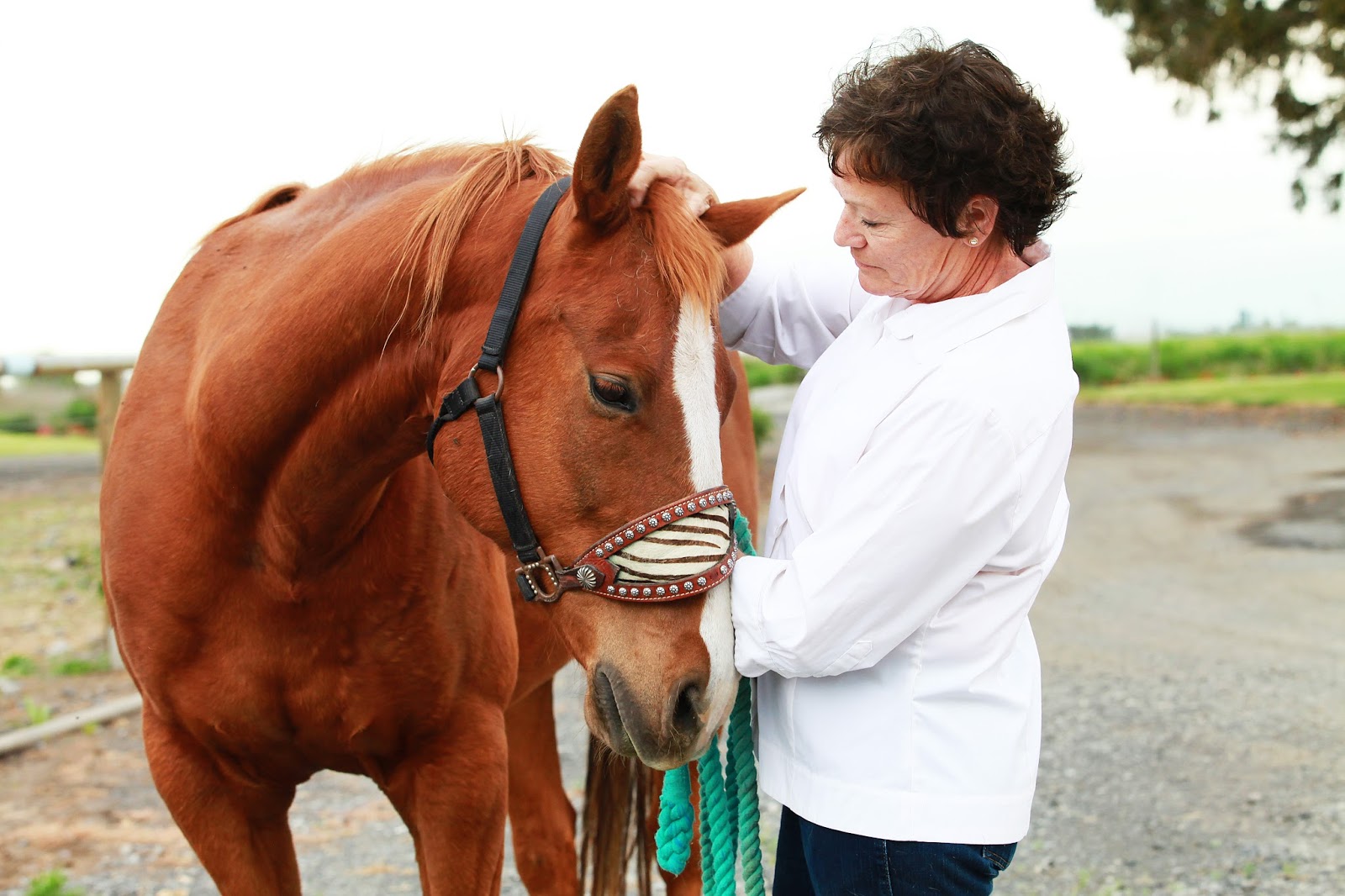
Sue Tebow with her horse. Photo courtesy of Sue Tebow.
For Sue Tebow, inspiration struck as she scrolled through her Facebook newsfeed.

She came across a post by Humans of New York – a project begun by an amateur photographer in New York featuring a street portrait of New Yorkers accompanied by a few of their own words sharing their stories. The photographs became a social media phenomena and the project’s Facebook page now has more than 18 million followers since its inception in 2010.

To Sue it was clear that the simple interface of a photo and a few words from the subject had resonated with people around the world. She decided to try her hand at a similar project in her community, combining two of her passions – photography and helping people reconnect with farmers. That’s when agri.CULTURE was born.

Her goal: to photograph and post one picture and story of someone in agriculture each day on her Facebook page. Her husband thought that would be too much, but Sue knew that with just her neighbors in the Block 40 area near Moses Lake she had 300 potential farmers to feature.

“No one is going to tell their story better than they are,” Sue said. “Who is going to tell their stories if they don’t tell it themselves?” 

It has not been easy. Sue works hard to capture photos that she can feature on each and every day, and sometimes struggles to find willing subjects.

Still, in a matter of a few months, she has managed to post a new photo each day of the week except Sunday since last April, along with the a few words from the people she’s featured. Her Facebook page has grown to more than 5,000 followers just by word of mouth and sharing. By comparison, WSDA’s Facebook page has about 4,000 followers, though it was created in 2012.

Like many in the agriculture community, Sue believes that those who work in agriculture need to reconnect with the vast majority people who are no longer familiar with life or work on a farm.
To make farm life real, Sue insists on photographing people as they really are. No makeup prep needed for this photoshoot – Sue wants to catch people doing what they really do on a day-to-day basis on the farm.

As quickly as her project has grown, Sue hopes that one day it will be a national effort.
“Washington, the Pacific Northwest, then beyond,” she said.

If you work in agriculture, might be a willing subject for Sue, or are just interested in connecting with her, you can email sue.agriculture@gmail.com. You can also visit Sue’s Facebook page to see the photos and view the stories of farmers she meets.

Tuesday, January 10, 2017

Don’t Cross the Line: WSDA Expands Apple Maggot Quarantine

Karla Salp
Pest Program 

Apple damaged by apple maggots
As the old saying goes, don’t let a bad apple spoil the barrel. In an effort to protect Washington’s many barrels of apples, WSDA expanded the apple maggot quarantine area effective Jan. 1.

Recently, WSDA found apple maggot in the southeastern corner of Lincoln County. The expanded quarantine now includes a portion of Lincoln County to prevent further spread of the pest. The quarantine prohibits the movement of homegrown or foraged fruit from the quarantined area into a pest-free area.

WSDA has held public meetings in the process of changing the quarantine boundaries and mailed postcards to residents in or near the new quarantine area to alert them to the change.

Apple Maggot Quarantine
Apple maggot quarantine effective Jan. 1, 2017
The apple maggot larva looks like a tiny white worm that eats its way through an apple, leaving behind a brown mush that is not fit for human consumption.
Apple maggot quickly spread through Western Washington after its introduction, but state and local efforts have so far prevented it from becoming established in the main apple growing regions of the state.

Searchable Map

WSDA has updated its apple maggot webpage with lots of information for commercial growers, home owners, and more. One of the features of the new website is that it now contains a searchable map. The new map allows anyone to enter an address and find out whether the address is inside or outside the quarantine area.

Apple Maggot and Garbage
Adult apple maggot fly

WSDA also clarified a rule that prohibited the transport of municipal and green waste from quarantined areas into pest-free areas. For the homeowner in a quarantine area, this means they cannot take yard waste or garbage to dumps or transfer stations in the pest-free area. Waste from a quarantined area can be taken to any waste facility that is also in the quarantine area.

More than apples - What to do with your fruit

Apple maggot can spread quickly when humans move fruit (including apples, crab apples, hawthorn, cherries, pears, plums, and apricots) into pest-free areas. That is why WSDA prohibits the movement of fruit from inside the quarantine to outside of the quarantined area.

So what can you do with your fruit if you live in a quarantine area? Here are some ideas for managing your fruit and yard waste.

  • Process (cook, can, juice, dry, etc.) homegrown fruit before transporting outside the quarantine area.
  • Compost or destroy yard waste at home.
  • Take yard waste to a green waste disposal area inside the quarantine area.
If you have more questions about Washington’s apple maggot quarantine, visit agr.wa.gov/PlantsInsects/InsectPests/AppleMaggot/ to learn more. 

Friday, January 6, 2017

A look at WSDA's key accomplishments in 2016

Mike Louisell
Communications

Before 2016 fades into memory, today we’re noting examples of how our agency supported Washington’s agriculture and food industries, highlighting the work of our five divisions.

Animal Services Division
Our Animal Services Division hired an assistant state veterinarian and state veterinarian, key positions to protect livestock.

Assistant State Veterinarian Scott Haskell started in August and one of his first tasks was to support efforts to contain equine herpesvirus. Dr. Haskell worked with Washington State University and horse owners to contain the outbreak. Twenty-seven cases of West Nile virus in horses also kept veterinary personnel busy this past year.

Dr. Brian Joseph started in December as the new state veterinarian. He has connected with WSU and met with Oregon officials and livestock market representatives to review ongoing animal disease traceability efforts. Our work emphasized advances in the ability to retrieve livestock records in the event of a disease investigation.

Commodity Inspection Division
Don Potts, with our Spokane Grain Inspection Office, received a Director’s Citation Award for brokering service standards that attracted a contract with a corporation comprised of five grain companies.

In the Fruit & Vegetable Inspection Program, apple inspection standards were rewritten in “plain talk” for easier interpretation. We maintained goals to meet customer expectations for services.

The International Marketing Program participated in export promotions, including a trade mission to Vietnam.

Food Safety & Consumer Services
The Food Safety Modernization Act (FSMA) involves a major update to FDA food laws to prevent and detect safety problems. Our Food Safety Division has adopted federal FSMA rules under state code. Our staff members have begun outreach and education efforts on food, feed, and produce safety that are fundamental to the successful implementation of the FSMA.

Our agency also supported efforts to reduce childhood obesity and provide access to healthy foods in schools and to low-income families through the Food Assistance Programs and Farm to School activities, which also generated new markets for farmers.

Pesticide Management Division
Employees managed the disposal of 95,000 pounds of pesticides that owners no longer needed, enforced state and federal pesticide laws and confirmed compliance with laws that cover manure from livestock operations.

Informed the ag industry of new worker protection standards required by the Environmental Protection Agency. It was a major effort. The demand to train pesticide handlers increased and the agency’s Farmworker Education Program conducted numerous workshops. Training included hands-on exercises, demonstrations, illustration and videos.

Plant Protection Division
After conducting its second largest gypsy moth eradication ever this past spring, the Pest Program management announced there would be no spraying for the pest in 2017.

In other pest management, WSDA developed a regulatory approach for transporting municipal green waste to Eastern Washington based on a pest risk analysis for apple maggot.

WSDA’s efforts to sample and certify the largest state hop harvest ever brought us kudos, with reporters covering some of our work.  And the Washington State Liquor and Cannabis Board partnered with WSDA, committing to purchasing testing equipment and funding staff dedicated to testing pesticide levels in marijuana products.

Stay connected with WSDA
These highlights barely scratch the surface of all the work accomplished by WSDA personnel. To stay up with the latest news, sign up to follow us in 2017 through this blog, on Facebook or Twitter (our Twitter handle is @WSDAgov).